

A fatal collision on an icy Minnesota highway is a difficult reminder of how quickly winter driving conditions can turn deadly. When a semi-truck is involved, the outcome is often even more severe. Families left behind are frequently searching for answers about what happened and what options they have.
What Happened on Highway 7
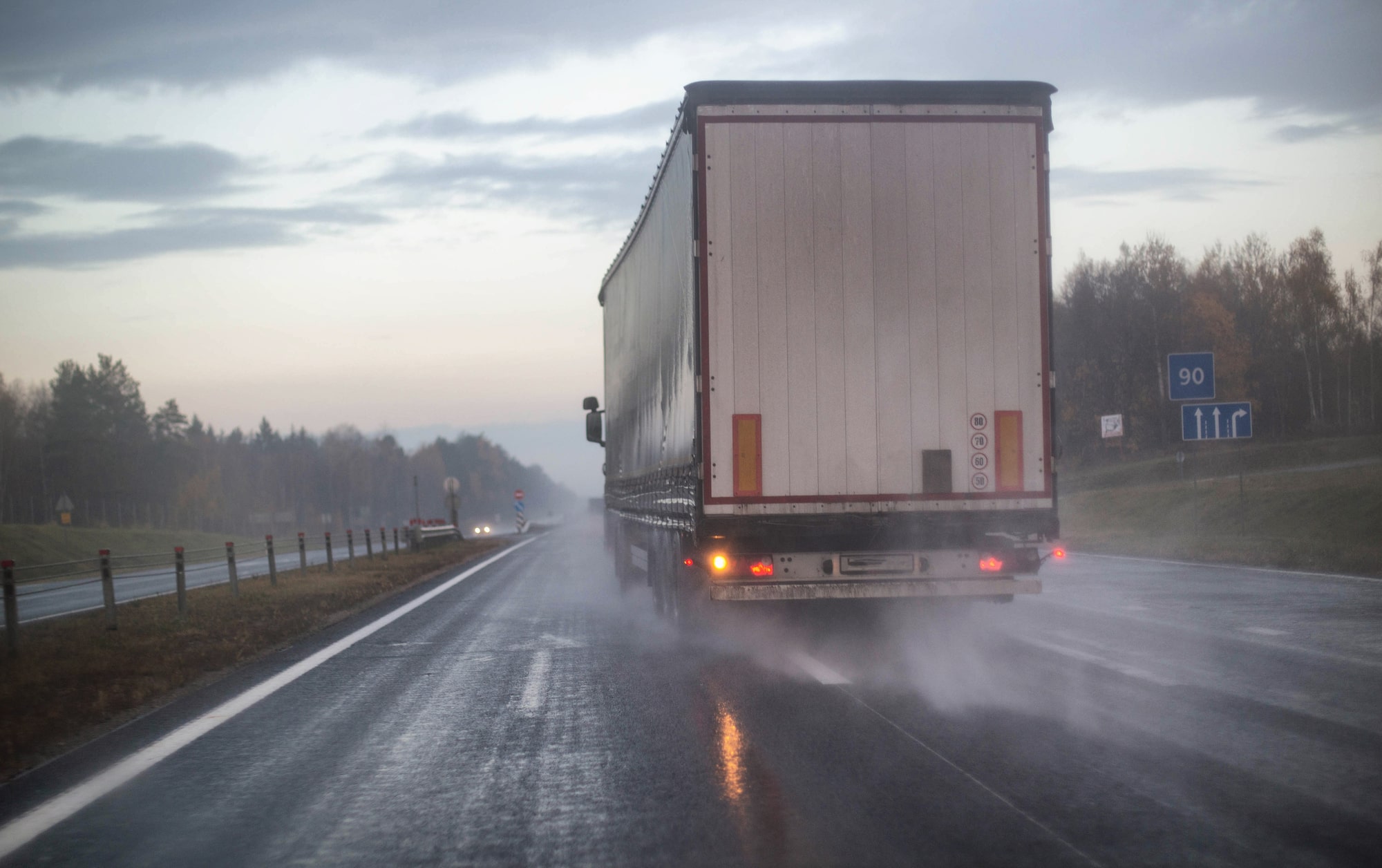
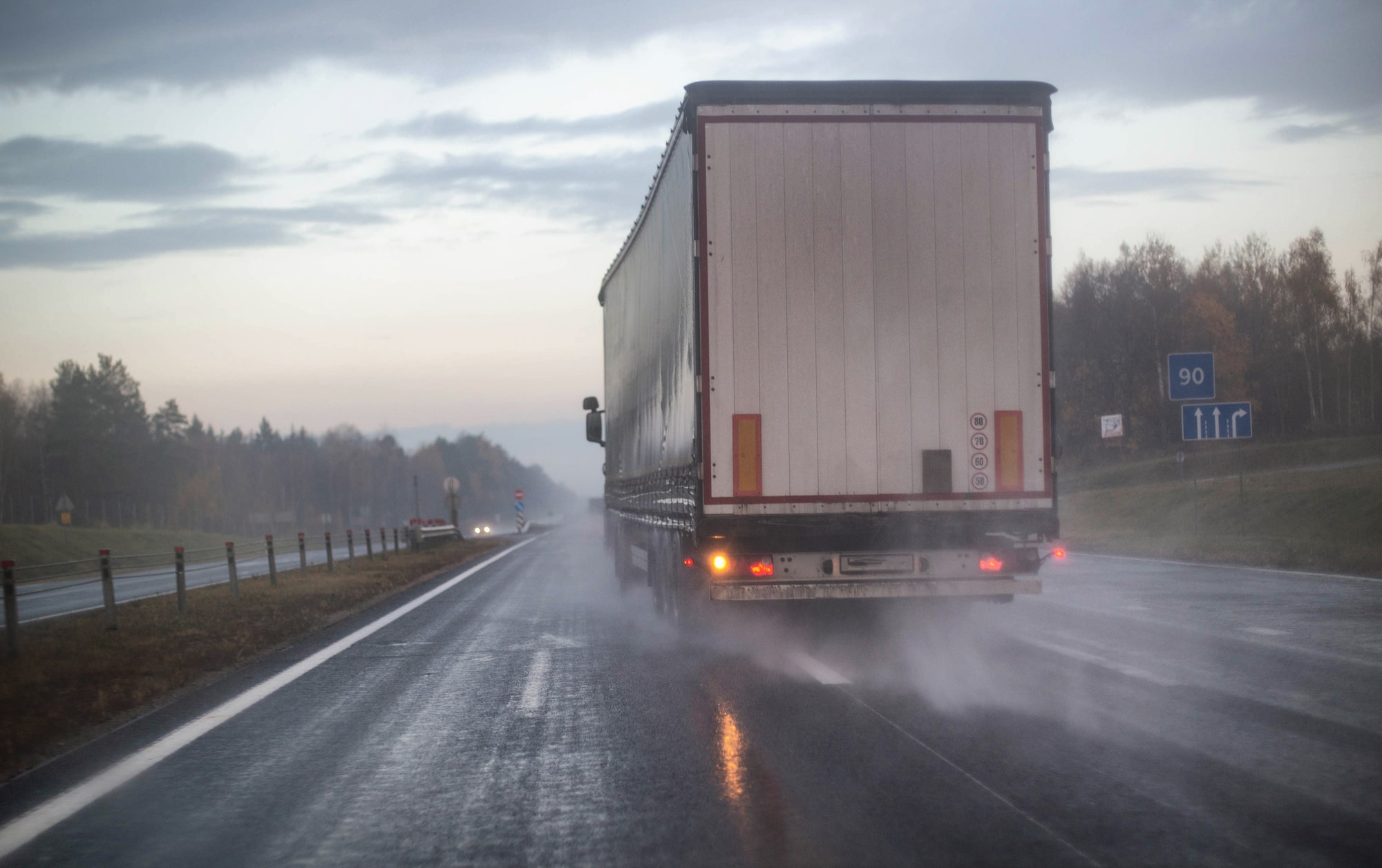
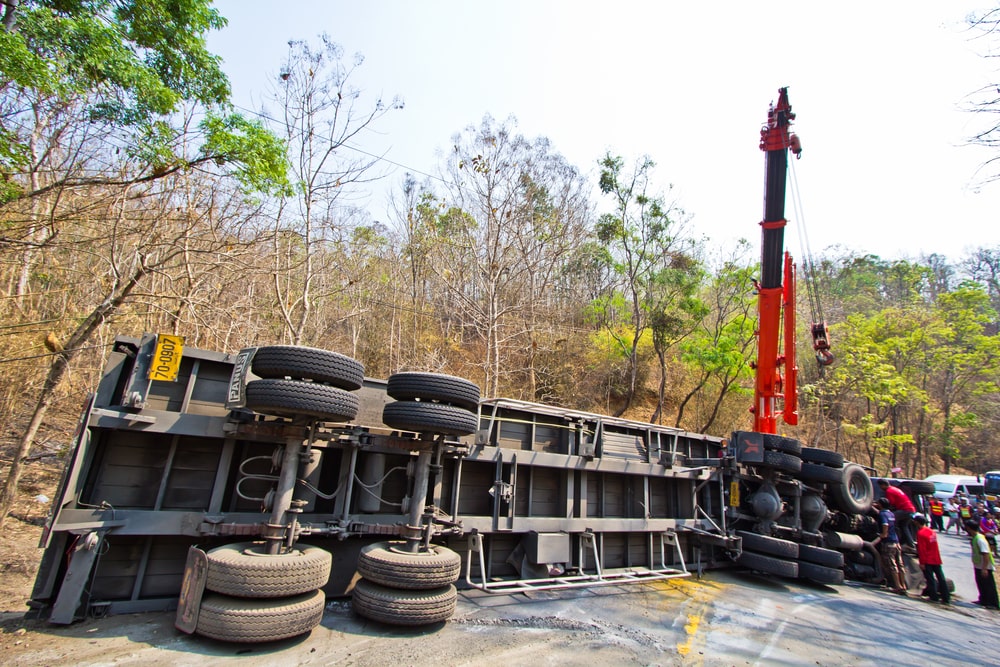
According to the Minnesota State Patrol, the crash occurred just before 8:40 a.m. on Highway 7, about three miles south of Winsted in McLeod County, roughly 25 miles west of Minnetonka. A semi-truck and an SUV collided head-on. Investigators say snow and ice were present on the roadway at the time.
The SUV driver, 63-year-old Melinda Koosman of Buffalo, was killed in the crash. The semi-truck driver, 59-year-old William Dullinger of Oakdale, was not injured. Both drivers were wearing seat belts, and alcohol was not a factor.
This crash sits close enough to the Twin Cities metro that families searching for a Minnetonka, MN truck accident lawyer may be trying to understand how a case like this would be handled. It's a fair question, and one worth answering directly.
Why Winter Semi-Truck Crashes Are So Dangerous
Large commercial vehicles behave differently than passenger cars in poor weather. Their size, weight, and stopping distance create risks that most drivers don't fully appreciate until something goes wrong. A few factors make winter crashes involving semis particularly severe:
- Semi-trucks require significantly more distance to stop on wet or icy pavement than passenger vehicles.
- A loaded trailer can jackknife or lose traction with little warning on slick roads.
- Commercial drivers are expected to adjust speed for conditions, not simply comply with posted limits.
- Head-on collisions involving a truck's mass often prove fatal for occupants of smaller vehicles, regardless of seat belt use.
Federal crash data compiled by the Motor Carrier Safety Administration tracks how weather and road surface conditions contribute to large truck crashes nationwide, and winter months consistently show elevated risk in northern states like Minnesota.
Establishing Liability After a Winter Truck Crash
Icy roads complicate a crash investigation, but they don't automatically excuse a driver's conduct. Minnesota law still asks whether a driver, including a commercial one, exercised reasonable care given the conditions present. A truck driver who continued at highway speed despite visible snow and ice on the roadway may bear responsibility even if the weather played a role.
Trucking companies are also required to maintain records on driver hours, vehicle maintenance, and dispatch decisions. These records often become central to determining what actually caused a crash like this one. An early, thorough investigation matters. Weather conditions change, vehicles get repaired or scrapped, and electronic logs can be difficult to obtain once too much time has passed.
Protecting Your Rights After a Serious Truck Accident
Losing a family member in a crash caused by another driver's failure to adjust for road conditions is devastating, and it raises immediate practical concerns alongside the grief. Medical bills, funeral costs, and lost income don't pause while a family processes what happened.
If you're researching a truck accident lawyer in Minnetonka after a crash like the one near Winsted, it helps to work with someone who understands both the legal standards for commercial drivers and the realities of how these investigations unfold.
For families dealing with the aftermath of a semi-truck collision, we can help clarify what evidence needs to be preserved and how liability gets established in cases involving winter road conditions.
Johnston | Martineau PLLP represents families across Minnesota after serious truck crashes, and cases are handled on a contingency fee basis, meaning there's no upfront cost to get started. If your family has been affected by a truck accident in central Minnesota, reaching out to discuss what happened is a reasonable next step.