


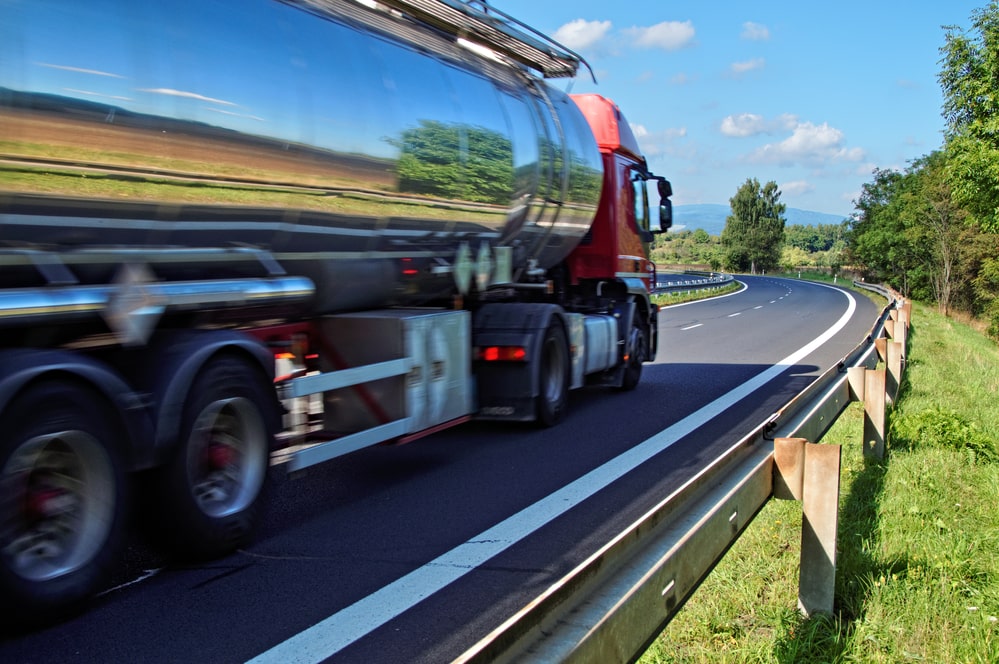
A federal rule sets how commercial drivers must act in winter weather. It requires extreme caution and reduced speed when snow, ice, or fog affects visibility or traction. A truck crash near Rochester can turn on whether the driver followed it.
What the hazardous conditions rule covers
49 CFR 392.14 applies when snow, ice, sleet, fog, mist, rain, dust, or smoke adversely affects visibility or traction. It requires the driver to use extreme caution and to reduce speed when those conditions exist.
The list is broad, and what matters is whether visibility or traction is adversely affected. Rain and dust appear on it next to snow and ice, so the rule is not limited to winter.
When a driver must stop driving
Conditions that become sufficiently dangerous require the driver to discontinue operating the vehicle, and the driver may not resume until it can be operated safely. The rule makes stopping a duty rather than a choice.
A driver who keeps going after conditions pass that point has broken the rule. The posted speed limit doesn’t change that.
Posted limits and safe speed
A truck traveling below the sign’s limit can still be going too fast for the conditions. The rule measures speed against visibility and traction, not against the sign.
For that reason, the truck’s recorded speed has to be compared with the conditions at the time. A person injured by a truck in these conditions can ask a Rochester truck accident lawyer how that comparison is made. Speed has to fit conditions.
Evidence of road conditions
Records that can show the conditions and the driver’s response include:
- Weather reports for the crash location and time.
- Recorder data from the truck showing whether it slowed as the conditions changed.
- Dash camera footage of the road surface and visibility.
- Dispatch messages between the driver and the carrier.
How winter affects fault
Winter conditions don’t excuse a crash, and an insurer may argue that the weather alone caused it. The rule answers that argument by placing a duty on the driver to adjust.
Fault in these cases turns on whether the driver slowed down as the conditions changed. That question sits at the center of winter’s role in crashes on Minnesota highways.
Large trucks on slick roads
A loaded tractor-trailer needs more distance to stop than a car, and ice lengthens that distance further. A driver who follows too closely on a slick road leaves little room to react.
Collisions between a truck and a smaller vehicle bring semi-truck accident claims into play, and the stopping distance on the day is part of the evidence. Skid marks and braking data can fix it.
Equipment on icy roads
Brakes and tires matter more when traction is limited. A truck with worn tires or poorly maintained brakes loses grip sooner than one in good repair.
Records of brake failure in trucks can show whether maintenance played a part alongside the weather. The carrier’s inspection files are requested for that reason.
Several parties in one crash
A winter pileup can involve more than one truck and more than one insurer. Speed and following distance are compared for each driver in the pileup.
Commercial truck accident cases with several defendants require records from each carrier involved in the pileup. The weather on the day is the same for all of them, so each driver’s response is compared against it.
Carriers and winter dispatch
Carriers decide when and where trucks run. A dispatch message that tells a driver to keep moving in bad conditions can become evidence against the carrier.
18-wheeler accident claims can reach back to those messages, which is why they are requested early. Drivers’ own notes and any saved trip logs can support them as well.
Christopher A. Johnston litigates truck accident cases for Johnston | Martineau PLLP, our firm. His admissions cover Minnesota, Iowa, the Eighth Circuit, and the U.S. District Court for the District of Minnesota.
Winter crash records to collect
Photos of the road surface, the truck, and the surrounding conditions should be taken before snow or ice changes the scene. The police report number should be saved with them.
A driver or passenger hurt on an icy road near Rochester can schedule a meeting with a Rochester truck accident lawyer about requesting the carrier’s records and the truck’s data. The date and the exact stretch of road are the first details to give.