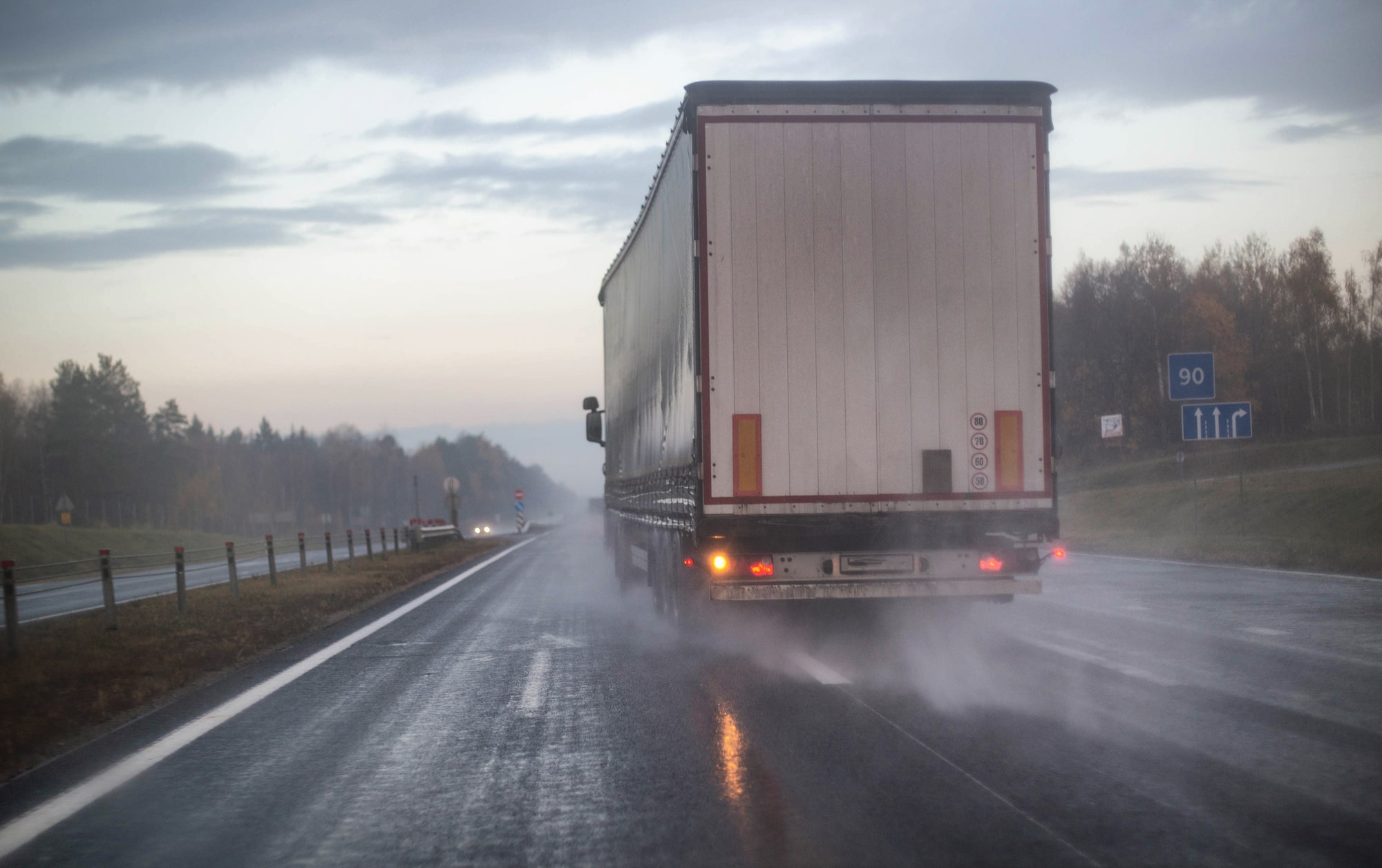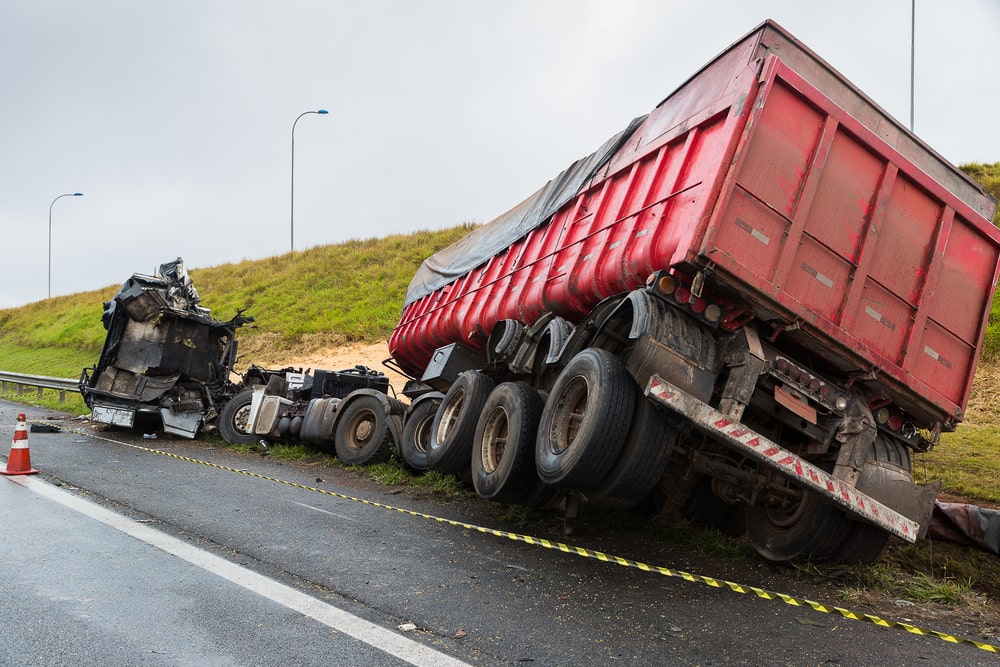


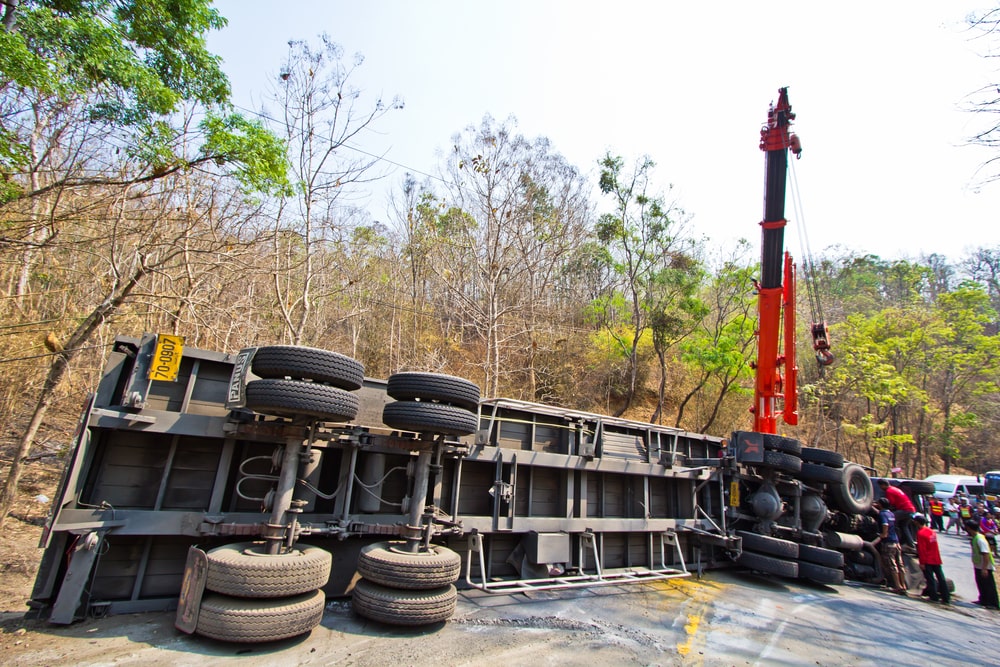
Minnesota winters don't mess around. We're talking temperatures that drop well below freezing, snow that piles up overnight, and ice that turns our highways into skating rinks. For commercial trucks weighing up to 80,000 pounds, these conditions become downright dangerous. Large trucks need way more time and distance to stop than your average car. When winter hits? That gap gets even wider. A fully loaded semi traveling at highway speeds can require over 500 feet to stop on dry pavement. Add ice or snow, and you're looking at double or triple that distance. Heavy vehicles plus slippery roads equals preventable collisions. It happens across our state every single year.
Common Winter Hazards That Cause Truck Crashes
Several weather-related factors stack up against truck drivers during Minnesota's cold months:
- Black ice forms on bridges and overpasses, creating invisible danger zones where you least expect them
- Snow accumulation cuts visibility down to almost nothing and buries lane markings
- Freezing rain coats everything with a slick, glass-like layer that's impossible to grip
- Whiteout conditions during heavy snowfall eliminate any sense of depth perception
- Snowdrifts suddenly appear across highways like surprise obstacles
- Temperature swings cause freeze-thaw cycles that crack and damage road surfaces
The Federal Highway Administration found that over 70% of weather-related crashes happen on wet pavement. Another 17% occur during snowfall or sleet.
Why Truck Drivers Struggle More In Winter
Commercial truck drivers face challenges most of us never think about. The height of a truck cab makes it tough to judge what's happening on the road surface below. Wind catches that massive trailer and can push the whole rig into other lanes during a storm. Jackknifing becomes a real threat when trucks brake on ice. The trailer swings out from behind the cab and creates a deadly barrier across multiple lanes. This happens when the wheels lock up and lose all traction. Even drivers with decades of experience can misjudge stopping distances in winter. Sometimes, trucking companies pressure drivers to meet delivery deadlines no matter what the weather's doing. At Johnston | Martineau PLLP, we've handled cases where companies didn't adjust schedules for winter storms. Everyone on the road paid the price.
Equipment Failures Compound Winter Risks
Maintenance matters year-round, but winter doesn't forgive shortcuts. Brake systems have to work perfectly when roads are slippery. Tire tread that's fine in July becomes inadequate on snow-covered highways in January. Trucking companies are legally required to maintain their vehicles. Some cut corners anyway. Worn brake pads, bald tires, and malfunctioning anti-lock braking systems. Any of these can turn a manageable situation into a catastrophic crash.
What Accident Victims Should Understand
If you've been hurt in a collision with a commercial truck during winter weather, don't let anyone tell you the conditions automatically excuse what happened. They don't. Truck drivers have a duty to operate safely in whatever conditions they encounter. That means slowing down. Increasing following distance. Sometimes it means refusing to drive when conditions get too dangerous. A Minneapolis truck accident lawyer can dig into whether the driver or the trucking company violated safety regulations or failed to maintain the vehicle properly.
Proving Fault After A Winter Truck Crash
Weather complicates accident investigations, sure. But it doesn't eliminate liability. Driver logs tell a story, so do maintenance records and weather reports from the time of the crash. All of this evidence matters when building your case. Insurance companies love to blame winter weather entirely for accidents. It's convenient for them. They avoid responsibility for driver error or equipment failure that way. But the reality? Multiple factors usually contribute to these crashes. Poor decisions combine with inadequate training. Defective equipment combines with the weather. That's when collisions happen.
Working with a Minneapolis truck accident lawyer means you've got someone who knows how to gather the evidence needed to prove what actually happened. Not what the insurance company wants everyone to believe happened. If you or someone you care about was injured in a truck accident this winter, you deserve answers. The circumstances surrounding your collision need a thorough investigation. You shouldn't have to figure out the claims process on your own while you're trying to heal from your injuries.