

Highway ramps look ordinary on a map. In practice, they are some of the most demanding stretches of road for tanker drivers. A recent rollover near I-94 in St. Paul shows what happens when speed and ramp geometry combine the wrong way.
What Happened on the Highway 52 to I-94 Ramp
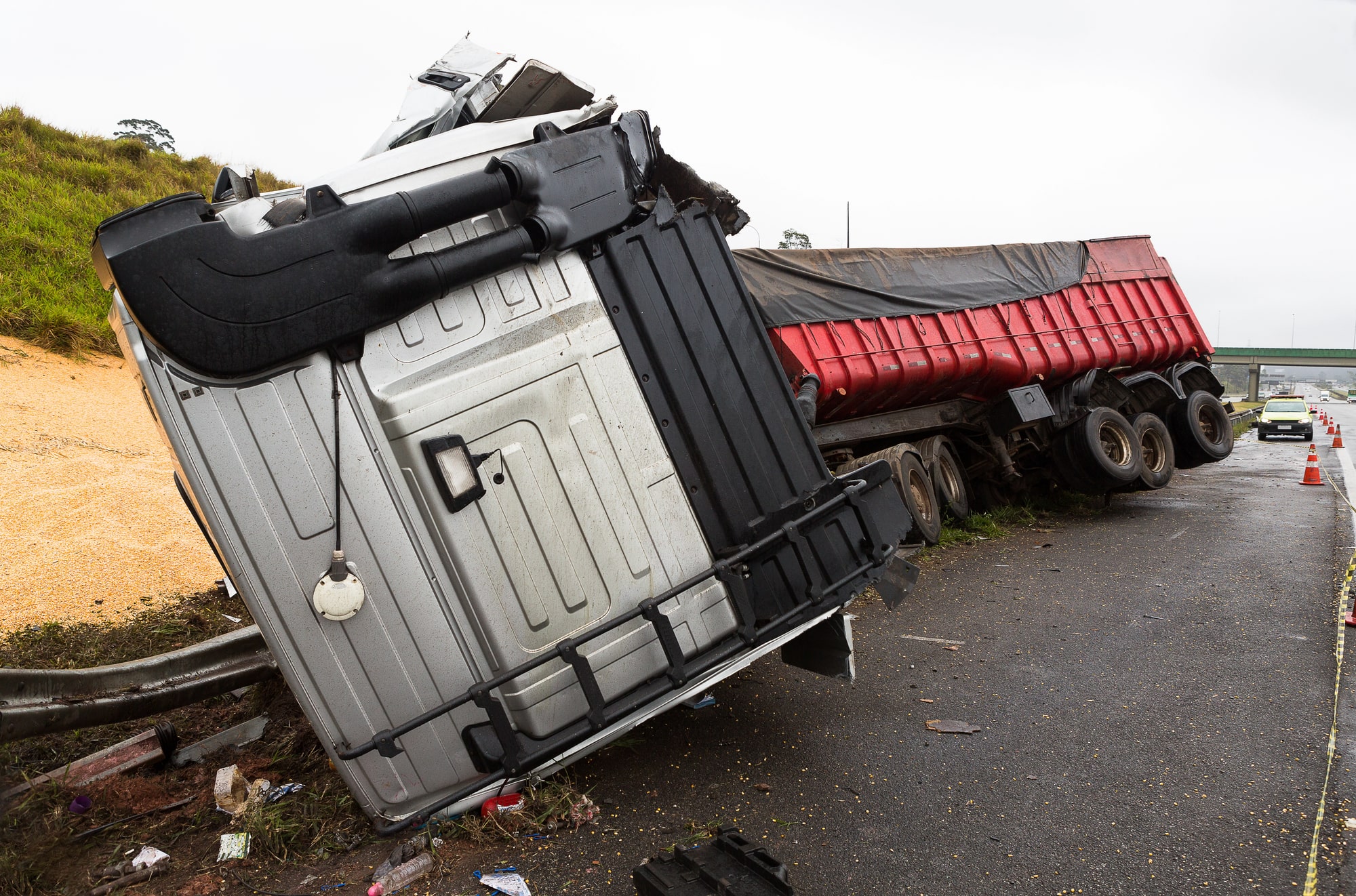
Just after 10:25 a.m. on Wednesday, February 19, 2025, Minnesota State Patrol troopers responded to a semi-tanker rollover on the ramp from northbound Highway 52 to westbound Interstate 94 in St. Paul. According to FOX 9's reporting, the tanker tipped while taking the curve of the ramp and spilled an estimated 1,500 gallons of salt brine, which then washed into a nearby storm drain.
No fuel was spilled. The driver suffered minor injuries. No other vehicles were damaged. The ramp closed at roughly 10:45 a.m. and reopened at 12:15 p.m. Authorities cited speed and the ramp curve as the causes.
Why Tanker Trucks Roll on Ramps
A loaded tanker has a high center of gravity and a shifting payload. Liquid inside the tank moves during turns, and that movement amplifies any side-to-side force. Posted advisory speeds on highway ramps assume a passenger vehicle. For a tanker, the safe speed is often noticeably lower.
Federal regulations under 49 CFR § 392.6 and Minnesota's basic speed law at Minn. Stat. § 169.14 both require drivers to operate at a speed reasonable for conditions, which includes ramp geometry, load type, and tank baffling.
Investigating a Tanker Rollover Case
When a tanker tips, several pieces of evidence matter:
- Engine control module data showing speed entering the curve
- Driver hours-of-service logs and recent route history
- Tank design records, including whether the tank has internal baffles
- Maintenance and inspection records for brakes and suspension
- Carrier training documentation specific to liquid loads
Each of these can disappear or be overwritten without prompt action. Preservation letters sent early in a case are how that evidence gets locked down.
When Other Drivers and Property Are Affected
Even minor injuries to a tanker driver can mask a larger picture. Spills create environmental hazards, traffic delays, and exposure risks for nearby motorists and property owners. The Roseville, MN tanker truck accident lawyer drivers turn to should know how those secondary consequences fold into a civil claim. The east metro ramp system that runs through St. Paul, Roseville, and Maplewood sees this kind of incident more often than people realize.
Talk With Johnston | Martineau PLLP
At Johnston | Martineau PLLP, we represent people injured in commercial truck wrecks across the Twin Cities. A lawyer within our firm will examine driver records, vehicle data, and applicable federal regulations as part of building each case. If you've been hurt in a tanker rollover or another commercial vehicle crash, we welcome the opportunity to listen and discuss your options.