


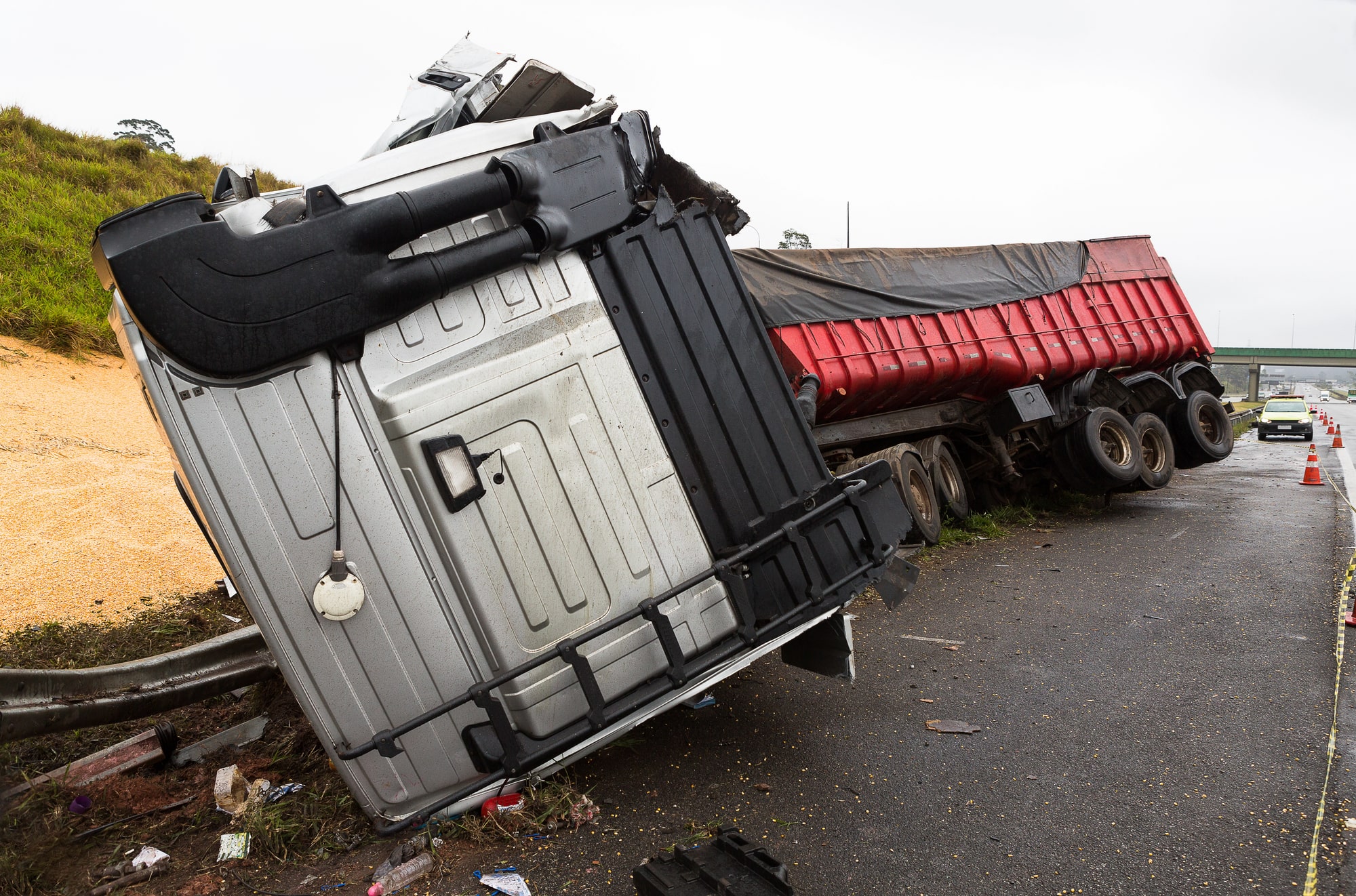
Minnesota's comparative fault system governs every civil injury case in the state, but the stakes take on a different dimension in commercial truck accident litigation. A big rig crash often produces serious injuries and large damages claims, which means fault allocation disputes are fiercely contested. Insurance carriers representing commercial trucking companies have every financial incentive to shift as much responsibility as possible onto the injured driver. Understanding how Minnesota's rules work, and how evidence counters those arguments, matters for anyone hurt in a St. Cloud commercial truck crash.
How Minnesota's Modified Comparative Fault System Works
Under Minnesota Statute Section 604.01, a plaintiff's damages are reduced by their own percentage of fault. If a St. Cloud truck accident victim is found 20 percent at fault and their total damages are $500,000, they recover $400,000. The modification in Minnesota's system comes from a cutoff: if a plaintiff is found 50 percent or more at fault, they recover nothing. That threshold is strict, and it gives commercial trucking insurers a clear target in how they build their defense.
Why Fault Allocation Is So Contested in Big Rig Cases
Shifting fault percentage onto the injured driver directly reduces the insurer's exposure. A defense team that moves a fault allocation from zero to 30 percent has just reduced the carrier's liability by nearly a third. In a serious injury case, that difference can be worth hundreds of thousands of dollars.
Common arguments commercial insurers use to assign partial fault to a vehicle driver in a Minnesota big rig crash include:
- Following too closely behind the commercial truck
- Merging into a gap that left insufficient room for the truck to stop
- Driving in the truck's no-zone areas where the driver's visibility is limited
- Failing to account for the truck's wide turning radius
- Speeding or drifting out of the travel lane prior to impact
How Evidence Counters Fault Arguments
The response to each of these arguments depends on what evidence was gathered after the crash. ELD records establish exactly what the big rig driver was doing in the hours and minutes before impact. Dashcam or surveillance footage captures the actual positions of vehicles. Accident reconstruction analysis applies precise measurements to speed, braking distance, and stopping time. When that evidence is preserved and properly developed by a St. Cloud truck lawyer early in the case, the insurer's fault arguments become much harder to sustain before a jury.
Multiple Defendants and Divided Fault
In a truck accident case with more than one defendant, each party's fault is assessed independently. A carrier might be found 60 percent at fault, a maintenance contractor 30 percent, and the injured driver 10 percent. The plaintiff recovers from each defendant in proportion to that defendant's share, and multiple defendants mean multiple insurance policies contributing to the total recovery.
The attorneys at Johnston | Martineau PLLP focus their practice entirely on commercial truck accident cases in Minnesota and have handled cases where aggressive fault disputes required detailed reconstruction and federal regulatory analysis to resolve. If you were injured near St. Cloud in a big rig crash, reach out to a St. Cloud truck lawyer for a free consultation and a direct assessment of the fault arguments in your case.