

A garbage truck driver was critically injured in a collision with a train in rural Douglas County, Minnesota, prompting an urgent response from emergency crews and raising questions about roadway safety near railroad crossings. The crash, reported around 8:40 a.m. on the 6500 block of County Road 87 Southwest in Forada, occurred at an uncontrolled crossing marked by stop signs. In the aftermath, many who work around large trucks or operate heavy vehicles may find it helpful to speak with our Minnesota garbage truck accident lawyer to understand their rights and potential legal options.
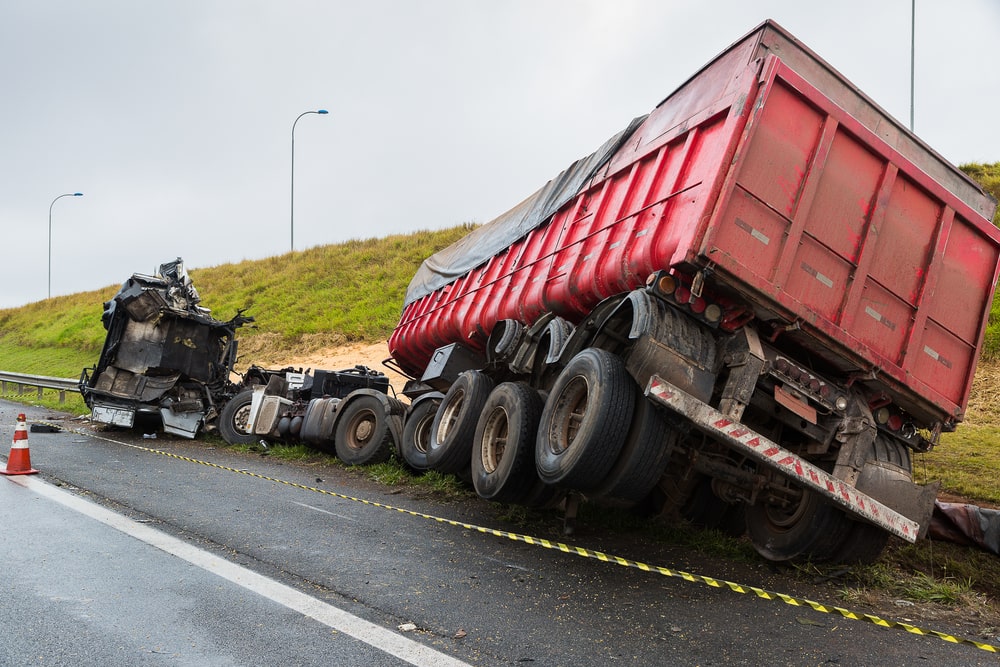
Deputies arriving on the scene found the sanitation truck on its side, with the driver trapped beneath the vehicle. Firefighters from the Alexandria Fire Department used specialized equipment to lift the truck and free the driver, who was then airlifted by Life Link to St. Cloud Hospital with severe injuries. Fortunately, no one aboard the train sustained injuries. The collision remains under investigation by local authorities as they work to determine how the incident occurred and whether any safety measures could have prevented it.
Train collisions with commercial vehicles such as garbage trucks are particularly dangerous due to the weight and size of both vehicles. These accidents frequently result in serious trauma to drivers, even when safety equipment like seatbelts is used, because of the force involved in a train impact. When a truck is struck at a railroad crossing, the momentum and angle of impact often cause rollovers or significant intrusion into the cab, increasing the risk of injury.
Accidents involving refuse collection vehicles can also create long-term health and financial impacts for drivers and their families. In addition to immediate medical care, injured workers may face extensive rehabilitation, time away from work, and ongoing pain management. For those affected, understanding how to pursue compensation—whether through insurance claims, third-party liability actions, or workers’ compensation benefits—is essential. Consulting our Minnesota garbage truck accident attorneys can provide clarity on these complicated legal issues.
How Our Legal Team Can Help After Truck Collisions
When drivers are injured in crashes involving heavy vehicles like sanitation trucks, they often need guidance from experienced legal professionals. At Johnston | Martineau PLLP, our Minnesota garbage truck accident lawyers help injured individuals and their families understand the legal process, especially when another party’s negligence may have contributed to the collision.
Commercial truck collisions, including those involving refuse vehicles, require careful investigation. Our waste truck accident lawyers review police reports, interview witnesses, and consult crash reconstruction professionals to understand the circumstances leading up to the accident. This evidence is crucial for determining liability and securing compensation for medical bills, lost wages, pain and suffering, and long-term care needs.
In many truck crash cases, multiple parties may share responsibility. For example, liability might extend beyond the driver to include municipalities responsible for signage and roadway design, railroad companies for crossing maintenance, or third-party maintenance providers if equipment failure played a role. Our sanitation truck accident lawyers are prepared to identify all potentially liable parties and pursue appropriate claims on behalf of injured clients.
If you or a loved one has been seriously injured in an accident involving a garbage truck or other commercial vehicle, it’s important to speak with refuse truck injury attorneys who understand the unique legal challenges these cases present. Contact Johnston | Martineau PLLP to schedule a consultation. With over 40 years of experience providing legal aid to victims after an accident, we are dedicated to helping you pursue the compensation you deserve and guiding you through every step of the legal process. We’ve obtained millions in damages for our clients, and we’re ready to help you obtain compensation equal to your injuries. Don’t wait—reach out to us today to learn more about how we can help.