
When a passenger car causes an accident, the insurance analysis is usually straightforward: one driver, one policy, one adjuster. A commercial trucking crash operates under an entirely different structure. Big rig carriers are subject to federal minimum insurance requirements, often carry multiple overlapping policies, and operate through corporate arrangements that affect how claims are paid and who the right parties are to pursue in litigation. Rochester victims who understand this structure are in a better position to pursue the full compensation Minnesota law makes available.
Federal Minimum Insurance Requirements
The Federal Motor Carrier Safety Administration requires commercial carriers hauling general freight to maintain a minimum of $750,000 in liability coverage. Under 49 C.F.R. Part 387, carriers hauling certain hazardous materials face higher minimums, reaching $5 million for specific cargo types. These floors are substantially higher than the minimums required for private passenger vehicles, which is one reason commercial trucking claims tend to be contested more aggressively by the insurer from the start.
How Multiple Policies Layer in Big Rig Cases
A single commercial trucking crash can involve several layers of insurance coverage, including:
- The carrier's primary commercial auto liability policy
- Excess or umbrella coverage that activates after the primary policy is exhausted
- Cargo insurance covering the goods being transported
- Non-trucking liability coverage for situations when the driver operates outside the scope of employment
- Product liability coverage when an equipment defect contributed to the crash
Each of these policies has different limits, exclusions, and conditions. Determining which policies apply and in what order is a significant part of the legal work in a Rochester truck accident case. A truck accident lawyer Rochester MN victims depend on understands this structure and moves quickly to identify all available coverage before any policy deadlines create complications.
Owner-Operator and Lease Arrangements
Many big rig drivers are not employees of the carrier whose name appears on the truck. They are independent owner-operators who lease their equipment and operating authority to a carrier under agreements that affect how liability is assigned. When a crash occurs, the leasing arrangement becomes part of the legal analysis. Was the driver operating under the carrier's authority at the time? Was the truck under a separate lease agreement with another party? These questions affect who is responsible and which insurance policies respond.
Why High Policy Limits Lead to Aggressive Defense
When $750,000 or more is at stake, commercial insurers deploy legal teams with significant resources. They move quickly to investigate the crash and develop defenses before the injured party has had time to retain representation. Speed matters on both sides.
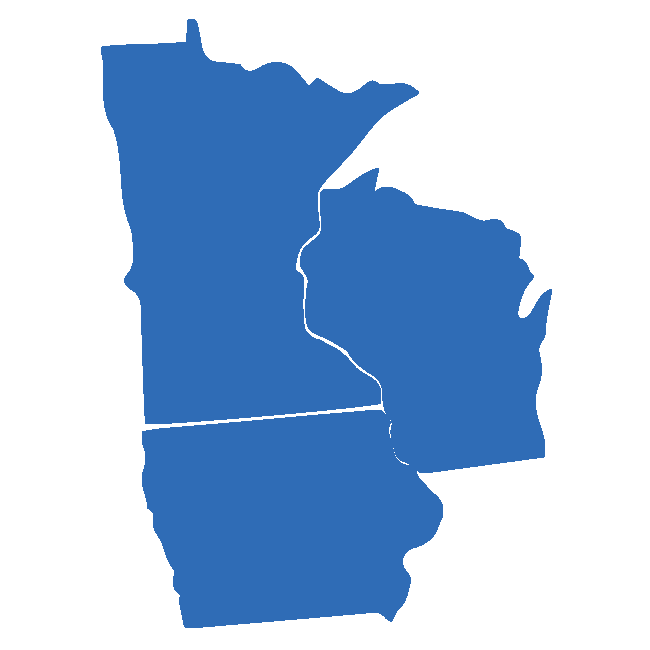
The attorneys at Johnston | Martineau PLLP concentrate their practice entirely on commercial truck accident cases throughout Minnesota, Wisconsin, and Iowa. If you were injured in a big rig crash near Rochester, contact a truck accident lawyer Rochester for a free consultation and a direct assessment of the insurance structure in your specific case.