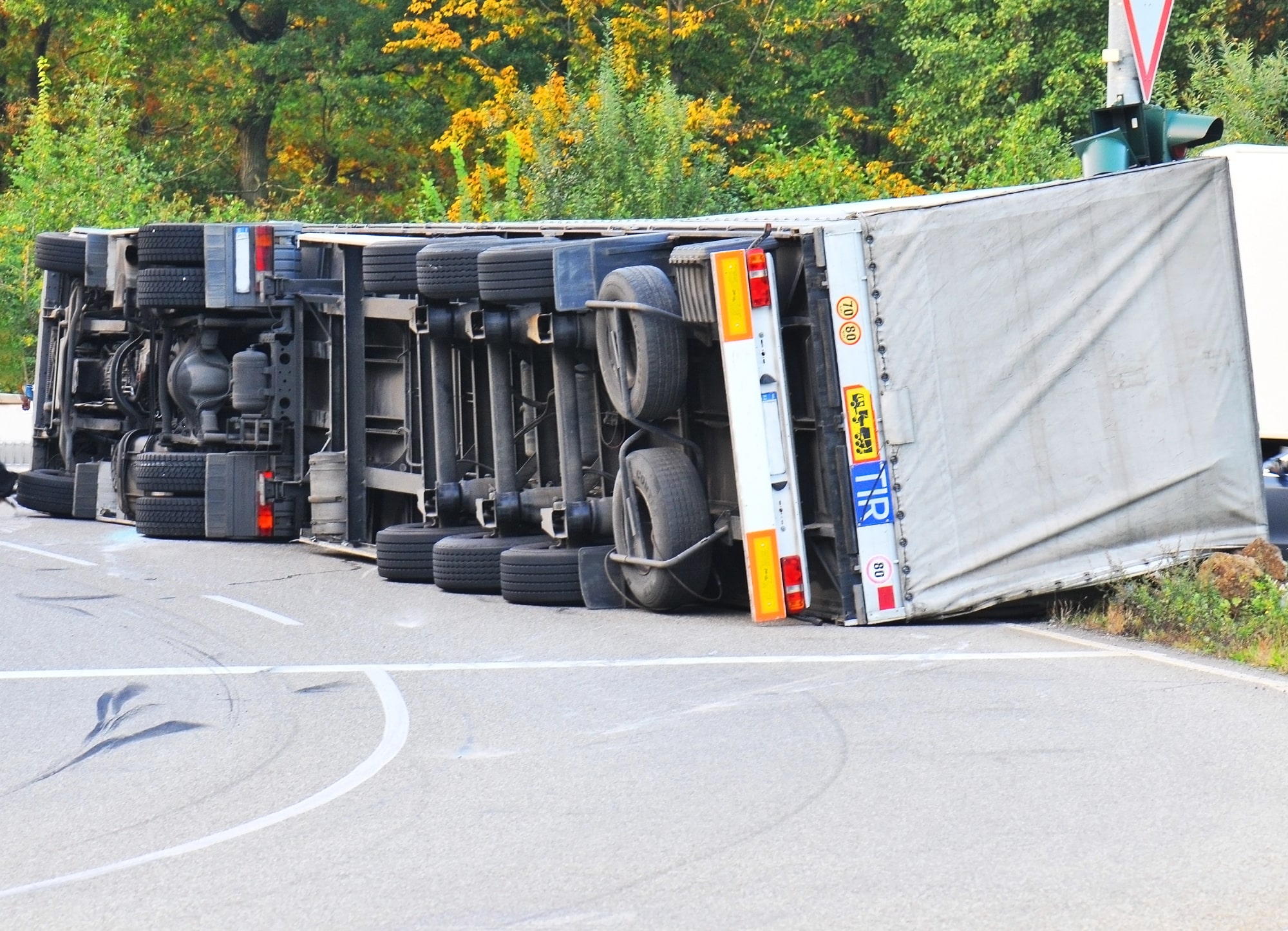


Westbound Interstate 90 in southeastern Minnesota was shut down for hours after two semi-trailers collided, spilling a large load of baby diapers across the roadway. The crash occurred Friday morning between Winona County Road 29 and Minnesota Highway 74 near Lewiston, prompting a prolonged closure as crews worked to clear debris and investigate the scene. While authorities reported only minor injuries, the disruption stretched into the afternoon and raised questions that our Minnesota 18-wheeler accident lawyer teams often see after commercial truck crashes—especially during Minnesota’s spring road weight restriction season.
According to the Minnesota State Patrol, the collision happened shortly after 8 a.m., though details about how the crash occurred have not yet been released. One truck’s cargo shifted or broke free on impact, sending thousands of diapers onto the freeway and making cleanup more complicated. Events like this highlight how cargo weight, securement, and road conditions can combine to create hazardous situations, even when injuries are limited.
Spring is a particularly sensitive time on Minnesota highways. As frost leaves the ground, roads can weaken, prompting seasonal weight restrictions designed to prevent damage. When heavy trucks operate near or above safe limits during this period, the risk of collisions, rollovers, and cargo spills can increase. Investigators will likely look closely at vehicle weights, cargo handling, and compliance with state regulations as they determine what led to the I-90 crash.
For drivers and nearby motorists, the incident was a reminder that even everyday freight can cause major traffic and safety concerns when something goes wrong. For those affected, understanding how trucking regulations apply during seasonal changes is often a key part of evaluating responsibility after a crash.
How Spring Weight Restrictions Affect Truck Accident Claims
Minnesota’s spring road weight restrictions exist to protect infrastructure, but they also play an important role in truck safety. During these periods, allowable loads may be reduced, routes may be limited, and carriers are expected to adjust operations accordingly. When a crash occurs, our truck accident lawyers often review whether weight restrictions were in effect and whether the trucks involved were operating within legal limits.
If a semi-truck exceeds posted limits or fails to properly secure its cargo, liability may extend beyond the driver to the trucking company, loader, or shipper. Our Minnesota 18-wheeler accident lawyers routinely analyze shipping documents, scale tickets, and maintenance records to see whether shortcuts were taken to meet delivery deadlines. Cargo spills like the one on I-90 can suggest load imbalance or improper securement, both of which are preventable with proper planning.
Seasonal road conditions can also affect stopping distances and vehicle control. Our freight truck lawyers understand how thawing pavement, soft shoulders, and temporary restrictions factor into crash reconstruction. These details matter when insurers attempt to downplay responsibility by pointing to “road conditions” alone, rather than operational decisions.
For over 40 years, our semi-truck lawyers have represented individuals impacted by serious commercial vehicle crashes across Minnesota. We provide exceptional legal services and guidance for those dealing with the aftermath of a wreck. And because we’re available 24/7, you can rest easy knowing that you can reach us at any time. So don’t wait until the situation gets worse, or you risk a delay or denial in your case. If you or someone you care about was injured or affected by a trucking collision, speaking with our Minnesota 18-wheeler accident attorneys can help you understand your options. We evaluate regulatory compliance, cargo practices, and carrier conduct to pursue accountability. Contact Johnston | Martineau PLLP today to discuss your situation and learn how we can help you move forward.