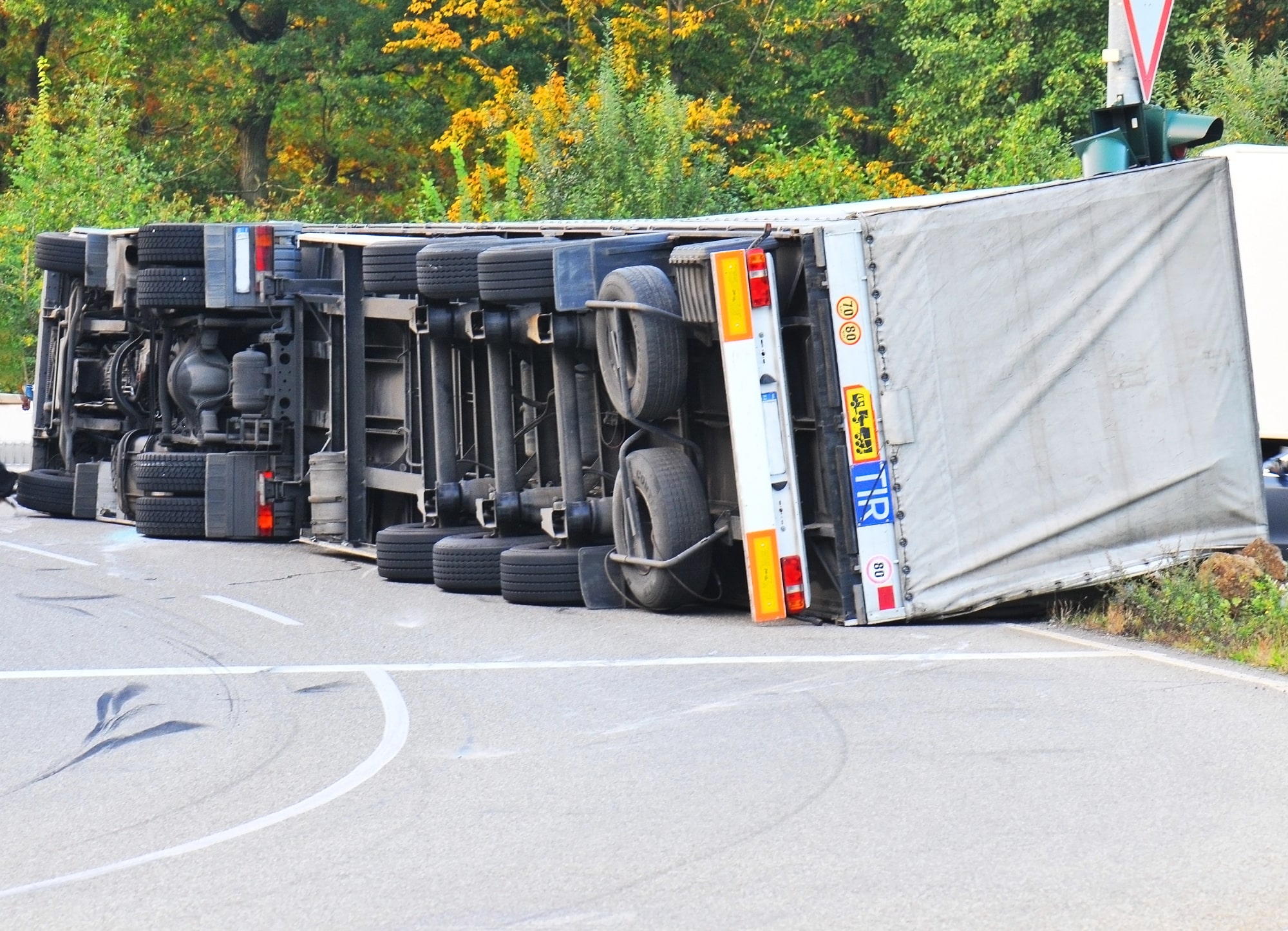

After a serious truck accident, most people assume the driver who caused the crash is the only one responsible. That assumption can cost you. In many Minnesota truck accident cases, the trucking company behind that driver carries far more liability and far more insurance coverage than any individual driver could on their own. Understanding the distinction matters before any legal strategy takes shape.
The Driver as a Defendant
Individual truck drivers can absolutely be named as defendants. If a driver ran a red light, drove while fatigued, or operated their vehicle recklessly, their personal negligence is on the table.
The problem is practical. Most truck drivers hold limited personal assets. Even if you win a judgment against the driver alone, collecting on it can be difficult. That is why the conversation almost always expands to the company behind the wheel.
Why the Trucking Company Often Bears Greater Responsibility
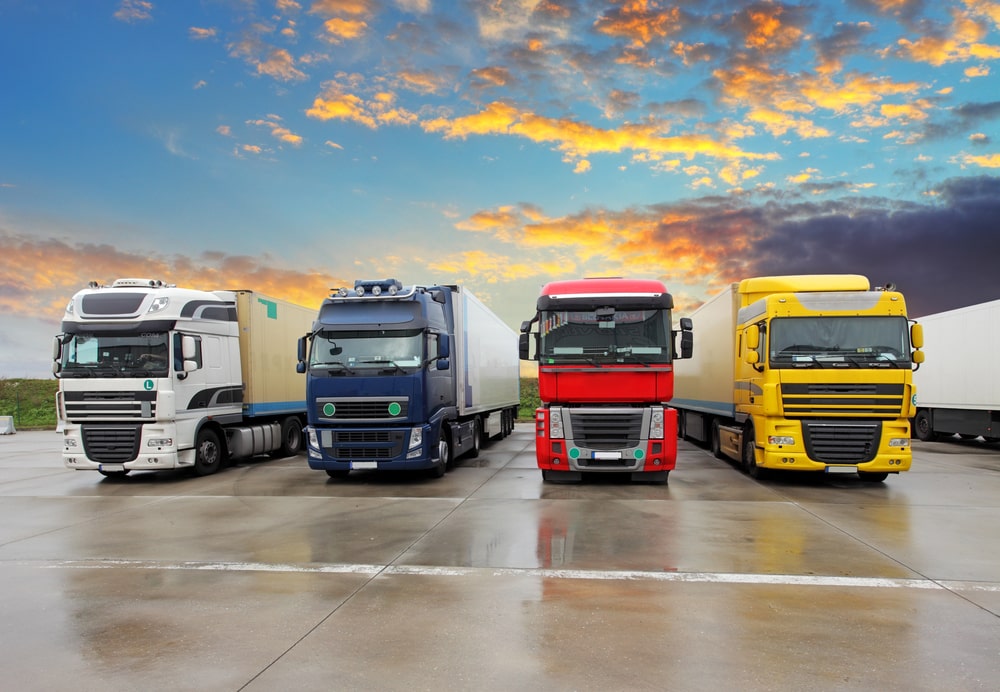
Trucking companies are subject to strict federal safety regulations. They are responsible for:
- Hiring qualified drivers with clean safety records
- Conducting regular vehicle inspections and maintenance
- Enforcing hours of service rules to prevent fatigued driving
- Training drivers on cargo securement and safe vehicle operation
When a company cuts corners on any of these obligations and a crash results, that company faces direct liability. The Federal Motor Carrier Safety Administration sets the standards every carrier must follow. Violations of those standards become powerful evidence in a civil claim.
There is also a legal theory called respondeat superior, which holds employers responsible for negligent acts their employees commit while on the job. If the driver was hauling a load or performing work for the carrier at the time of the crash, the company is generally on the hook.
Independent Contractors and the Gray Area
Many carriers classify their drivers as independent contractors rather than employees. This is a deliberate strategy to limit liability exposure. Courts, however, do not simply accept that label at face value.
Attorneys look at how much control the company exercised over the driver. Did the company set routes, schedules, and delivery windows? Did it require the driver to use company-branded equipment? The more control the carrier had, the more likely a court will treat that driver as an employee for liability purposes. Johnston | Martineau PLLP handles cases where that classification becomes a central dispute, and the outcome of that argument can significantly affect what a victim recovers.
Pursuing Multiple Defendants
In most serious truck accident cases, the smartest approach is to name both the driver and the company. This preserves all available options while the facts develop. Evidence gathered during discovery, including dispatch logs, maintenance records, and electronic logging data, often reveals exactly where the negligence originated.
Third parties can enter the picture too. A negligent cargo loader, a manufacturer of faulty brakes, or a maintenance contractor could each share responsibility depending on how the crash unfolded. A Minnesota big rig accident lawyer can help identify every party with potential liability and build a case that reflects the full picture of what happened.
The Stakes Are Higher Than Most People Realize
The difference between suing a driver and suing a company is often the difference between a limited recovery and one that actually reflects the true cost of your injuries. Trucking companies carry commercial insurance policies with significantly higher limits than personal auto coverage, and that gap matters when medical bills, lost wages, and long-term care are part of the equation.
If you were seriously injured in a commercial truck crash in Minnesota, speaking with a Minnesota big rig accident lawyer is the right next step. The decisions made early in these cases shape everything that follows.