

A tanker truck does not behave like an ordinary vehicle on the road. The weight of its liquid load shifts constantly, and that movement can pull a rig off balance before a driver ever feels it coming. A recent crash near Cashton showed how fast a routine haul can go wrong.
What Happened Near Cashton
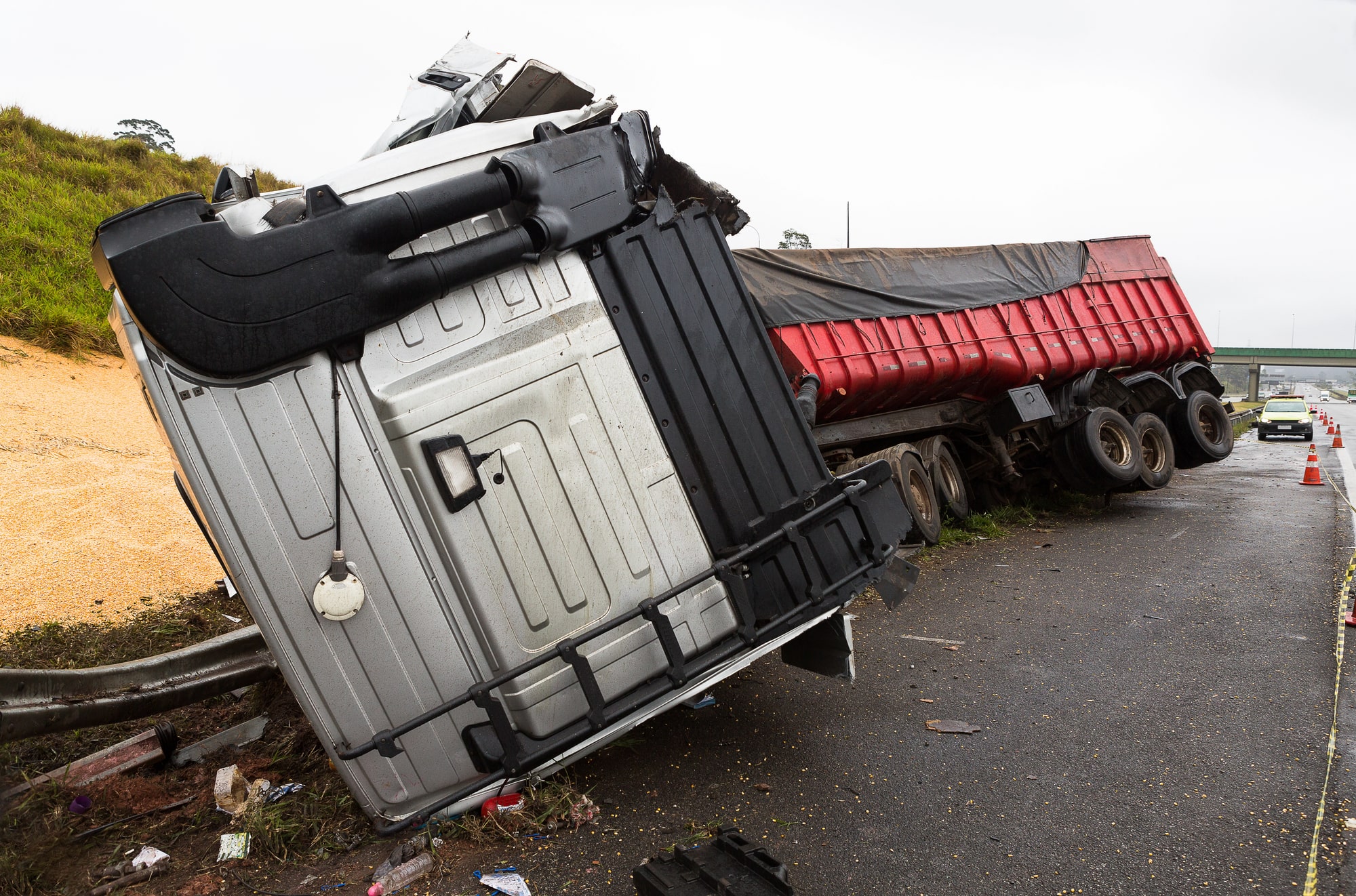
According to the Monroe County Sheriff's Office, a milk tanker failed to negotiate a curve on Highway 33 just outside Cashton, a little more than 30 miles east of La Crosse. The vehicle left the roadway and tipped into a ditch. Emergency crews needed more than an hour to free the driver, a 22-year-old man from Florida, who was taken to a hospital.
The tanker spilled roughly 3,000 gallons of milk along with about 100 gallons of diesel fuel. Crews worked to keep those liquids out of a nearby creek.
Photos from the scene showed a snow-covered highway. The sheriff's office did not confirm whether road conditions played a role.
Why Tanker Trucks Roll Over So Easily
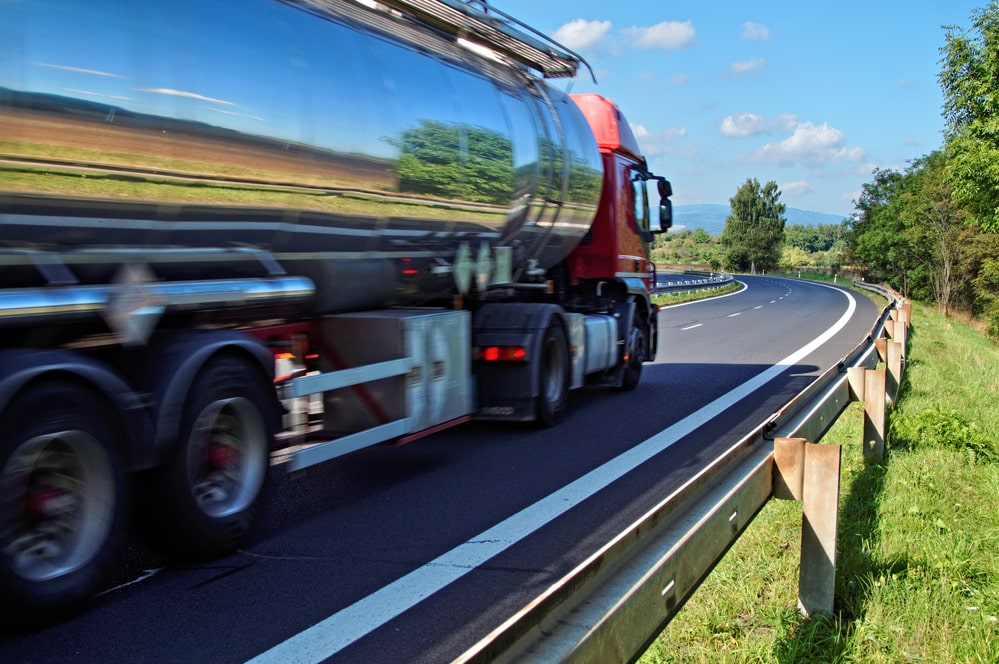
A tanker carries liquid that never sits still. When the truck slows, turns, or hits a curve, that liquid surges forward and sideways. The force can shove the trailer in a direction the driver did not intend. This is why tankers are among the most rollover-prone vehicles on the highway.
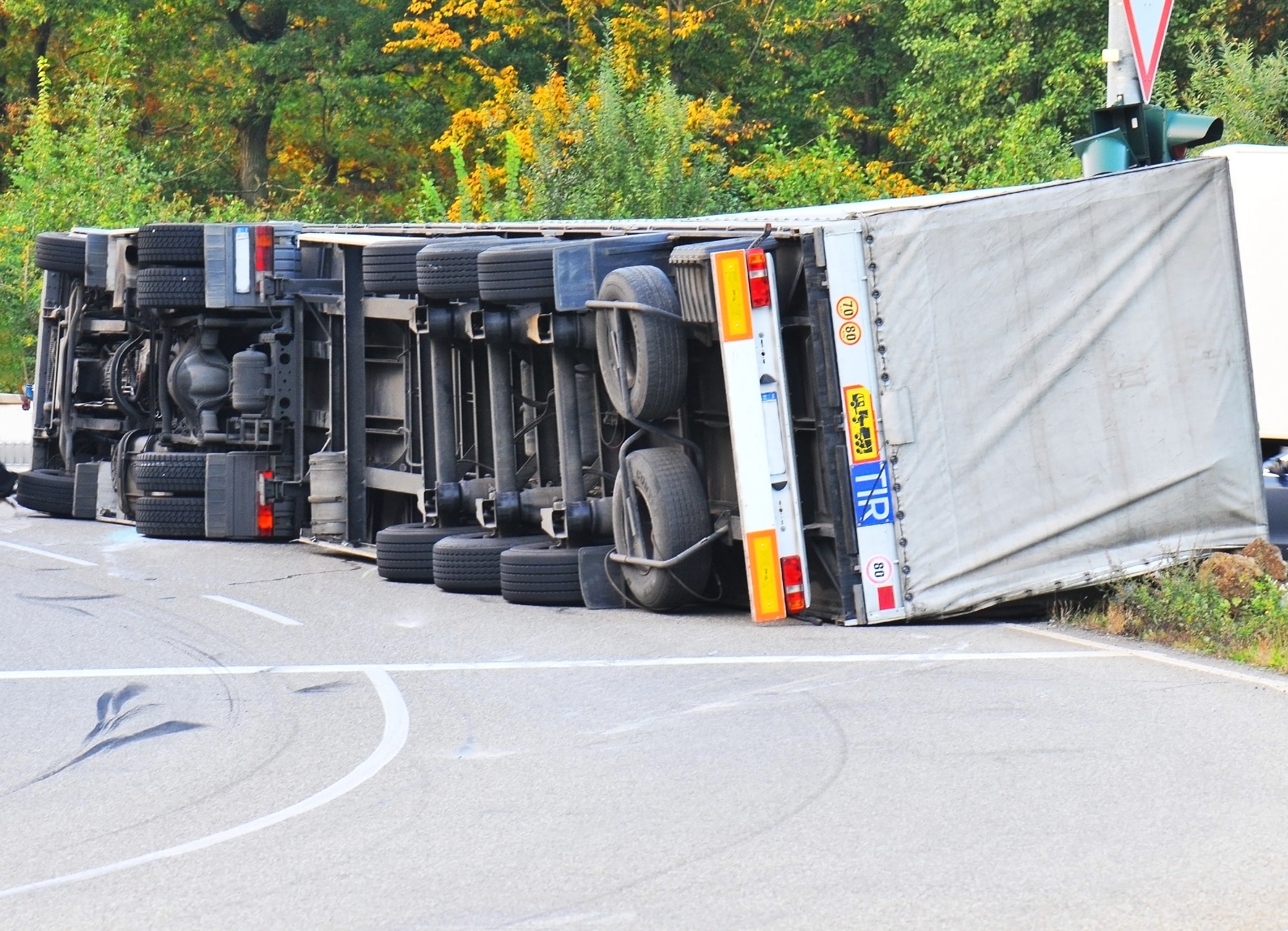
According to federal truck crash data, an overturn was the first harmful event in 4 percent of fatal crashes involving large trucks and 2 percent of nonfatal ones.
Several conditions make a rollover more likely:
- Liquid surge inside the tank, often called the slosh effect
- A high center of gravity that reduces stability on curves
- Partial loads, which allow the liquid more room to move
- Snow, ice, or wet pavement that cuts traction
- Speed that is too high for the curve or the conditions
The Added Danger of a Spill
A tanker wreck is rarely contained to the road. This one released milk and diesel fuel that crews scrambled to keep from reaching a creek. Spilled fuel creates fire and contamination risks. It can also turn a stretch of highway into a slick, dangerous surface for anyone arriving at the scene.
Who May Be Held Responsible
Liability in a tanker crash is often more layered than in a standard car accident. More than one party can share fault. Depending on the facts, responsibility may rest with:
- The truck driver
- The motor carrier that employs the driver
- The company that loaded or filled the tank
- A maintenance contractor or parts manufacturer
This Cashton tanker truck accident is a reminder that liquid haulers travel rural Wisconsin highways every day, often in weather that leaves little margin for error.
Steps to Take After a Tanker Crash
If you are hurt in a tanker truck accident near Cashton or anywhere in Wisconsin, what you do early can affect your claim. Evidence fades quickly. Trucks get repaired. Electronic logs are overwritten. Weather and road conditions change within hours.
A Wisconsin tanker truck accident lawyer can act fast to preserve driver logs, maintenance records, and loading documents before that information disappears.
There are also practical steps worth taking right away:
- Seek medical care, even if injuries seem minor at first
- Photograph the scene, the vehicles, and any spilled cargo
- Gather names and contact details from witnesses
- Hold off on recorded statements to an insurer until you have advice
Why Legal Guidance Matters
Insurers for trucking companies often move quickly to limit what they pay. They may reach out within days, sometimes before the full extent of an injury is known. Having someone review any offer first can keep you from settling for far less than your claim is worth.
The team at Johnston | Martineau PLLP approaches these cases with a steady focus on the people involved and the long road to recovery.
If a tanker crash has upended your life, consider speaking with a Wisconsin tanker truck accident lawyer who understands how these claims work before you make decisions about your health or your rights.