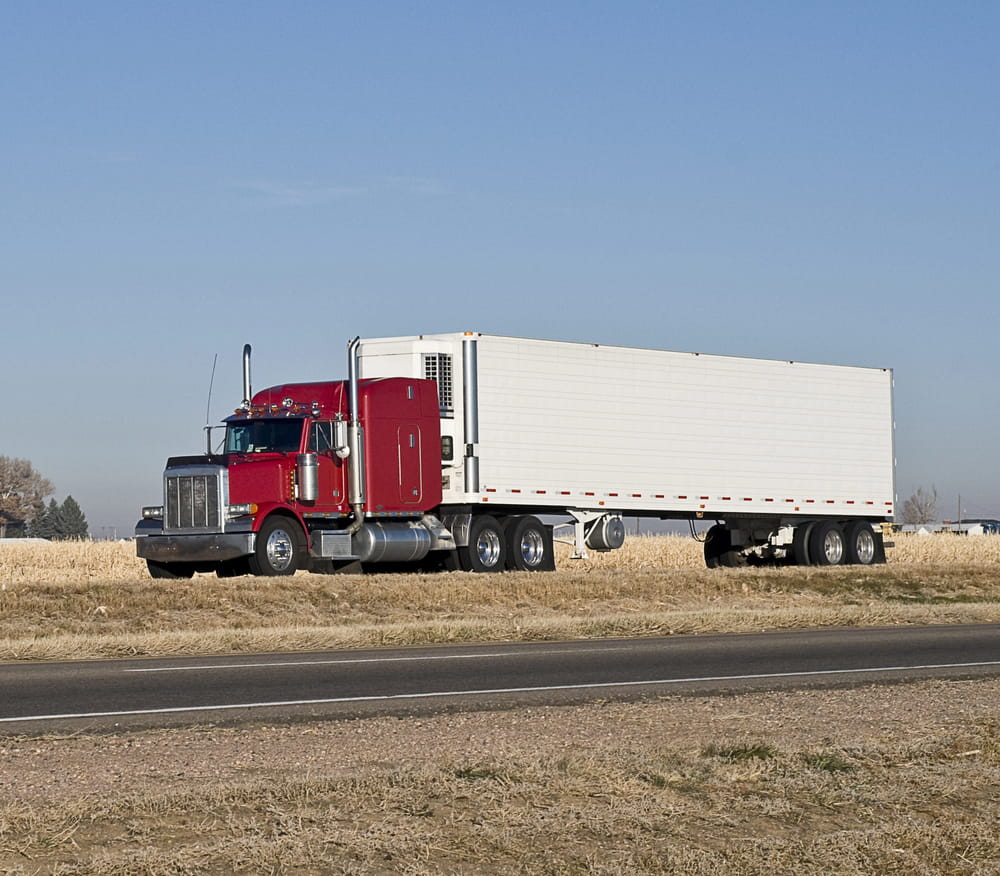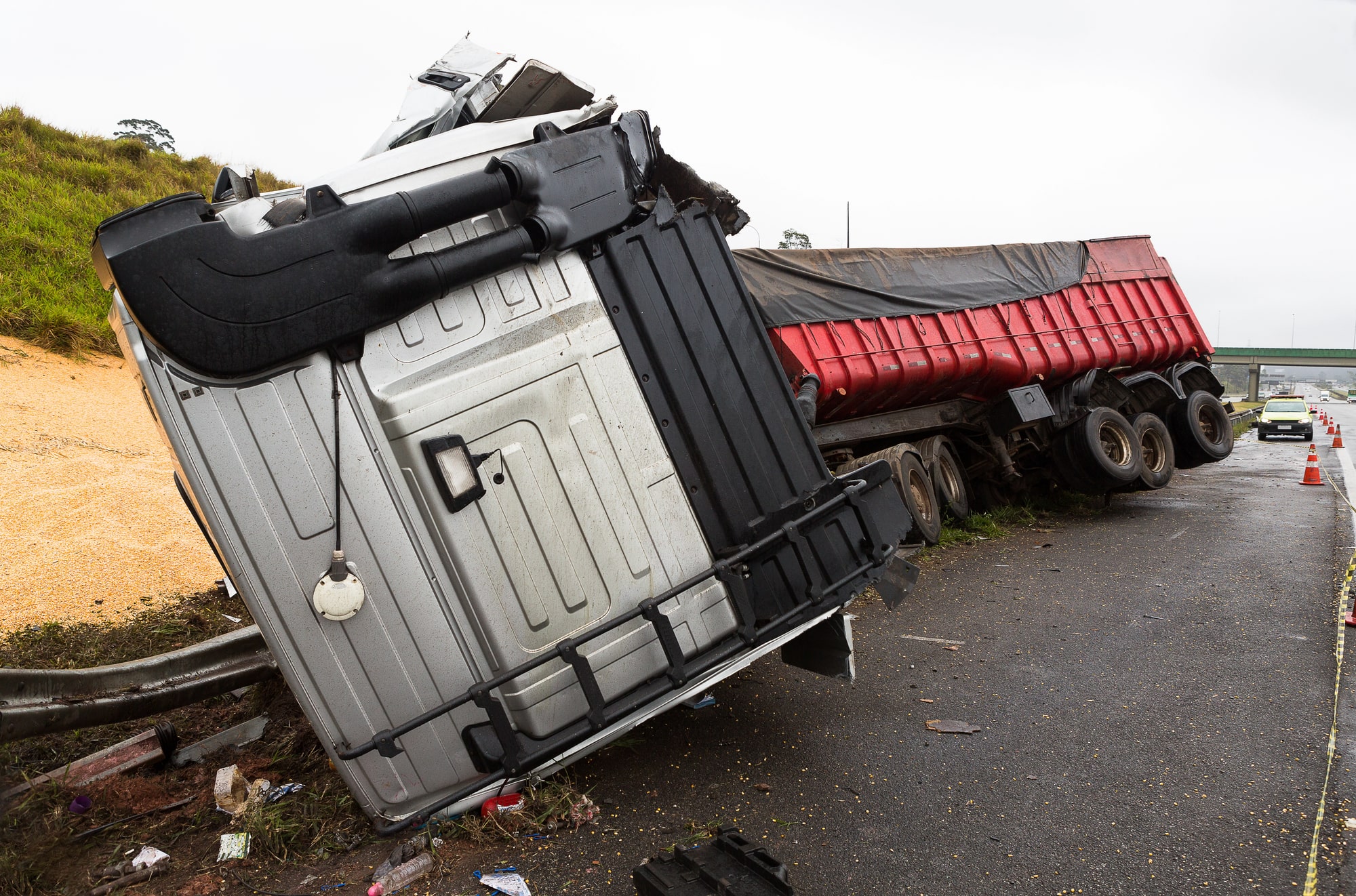



Concrete mixer trucks are among the heaviest commercial vehicles operating on Minneapolis roads. A fully loaded concrete truck can weigh 60,000 to 70,000 pounds, approaching or exceeding the legal limits for commercial vehicles on Minnesota roads. When operators push those limits, the consequences extend well beyond road damage. Overloaded concrete trucks take longer to stop, handle more unpredictably, and create catastrophic outcomes when they're involved in accidents. And when a weight violation contributed to a crash, that violation becomes important evidence of negligence.
What Minnesota Law Says About Commercial Vehicle Weight Limits
Minnesota sets specific weight limits for commercial vehicles operating on its roads under Minnesota Statutes Chapter 169, which governs traffic regulations including vehicle size and weight. The basic limits for most Minnesota roads include a maximum gross vehicle weight of 80,000 pounds, with axle weight limits that vary depending on axle configuration and spacing.
In practice, concrete mixer trucks often operate close to these limits even when loaded within specifications. A fully loaded mixer carrying eight to ten cubic yards of concrete, combined with the weight of the drum, water, and the truck itself, can push toward the upper limits of what Minnesota roads and bridges are rated to handle.
When a concrete truck exceeds those weight limits, the operator and the company behind them have violated state law. Under Minnesota's negligence per se doctrine, a statutory violation that causes the type of harm the statute was designed to prevent can establish negligence without requiring separate proof that the conduct was unreasonable.
How Overloading Affects Commercial Truck Handling and Safety
The physics of an overloaded concrete truck are straightforward and dangerous. More weight means longer stopping distances, particularly at highway speeds or in wet conditions on Minneapolis roads. An overloaded mixer that needs 50% more distance to stop than its rated stopping distance creates an obvious hazard in traffic, especially at intersections and merge points where vehicles ahead can stop suddenly.
The rotating drum on a concrete mixer adds another dimension. The shifting weight of liquid concrete inside the drum affects vehicle stability through turns and lane changes. An overloaded drum magnifies those handling characteristics, making the truck more susceptible to rollover in situations that a properly loaded vehicle would navigate without incident.
Minnesota roads near active construction zones, which often see the heaviest concrete truck traffic in the Minneapolis area, also include weight-restricted bridges and local roads that have lower posted limits than the state standards. When a concrete truck is routed across a weight-restricted structure that it exceeds, the operator and dispatcher have violated an additional set of regulations.
How Weight Violations Are Discovered After a Minneapolis Crash
Weight data doesn't always disappear after an accident. Several sources of evidence establish whether a concrete truck was operating within legal limits at the time of a crash.
Weigh station records and weight tickets are maintained by concrete companies as part of their standard business operations. These records document the load weight for each delivery, and they can establish whether the truck that caused your accident was within legal limits. Pre-trip inspection records and dispatch documentation also reflect load information.
Electronic onboard systems on modern commercial trucks record vehicle data that can include weight sensors and load readings. Event data recorders capture driving behavior in the seconds before a crash, and when combined with weight data, they paint a detailed picture of what the truck was doing and whether it was operating safely given its load.
A Minneapolis concrete truck accident lawyer sends preservation demands immediately after a serious accident to prevent companies from overwriting electronic data or claiming routine record destruction before an investigation can be completed.
Why Multiple Parties Bear Responsibility for Overloaded Concrete Trucks
Weight violations in concrete truck operations rarely result from one person's decision. The dispatcher who ordered more than the truck's rated capacity to satisfy a construction timeline, the plant manager who approved an oversized load, the company that failed to maintain accurate weight records, and the driver who knew the truck was overloaded and drove it anyway all potentially share responsibility for the consequences.
Johnston | Martineau PLLP represents truck accident victims throughout Minneapolis and Minnesota with over 40 years of collective experience and an insider's understanding of how the trucking industry operates. The firm knows how commercial carriers respond to accident claims and how to counter those responses with the evidence that matters.
If you were seriously injured when an overloaded concrete truck caused an accident in the Minneapolis area, reach out to a Minneapolis concrete truck accident lawyer to discuss the specifics and understand what liability the weight violation creates for the parties responsible.