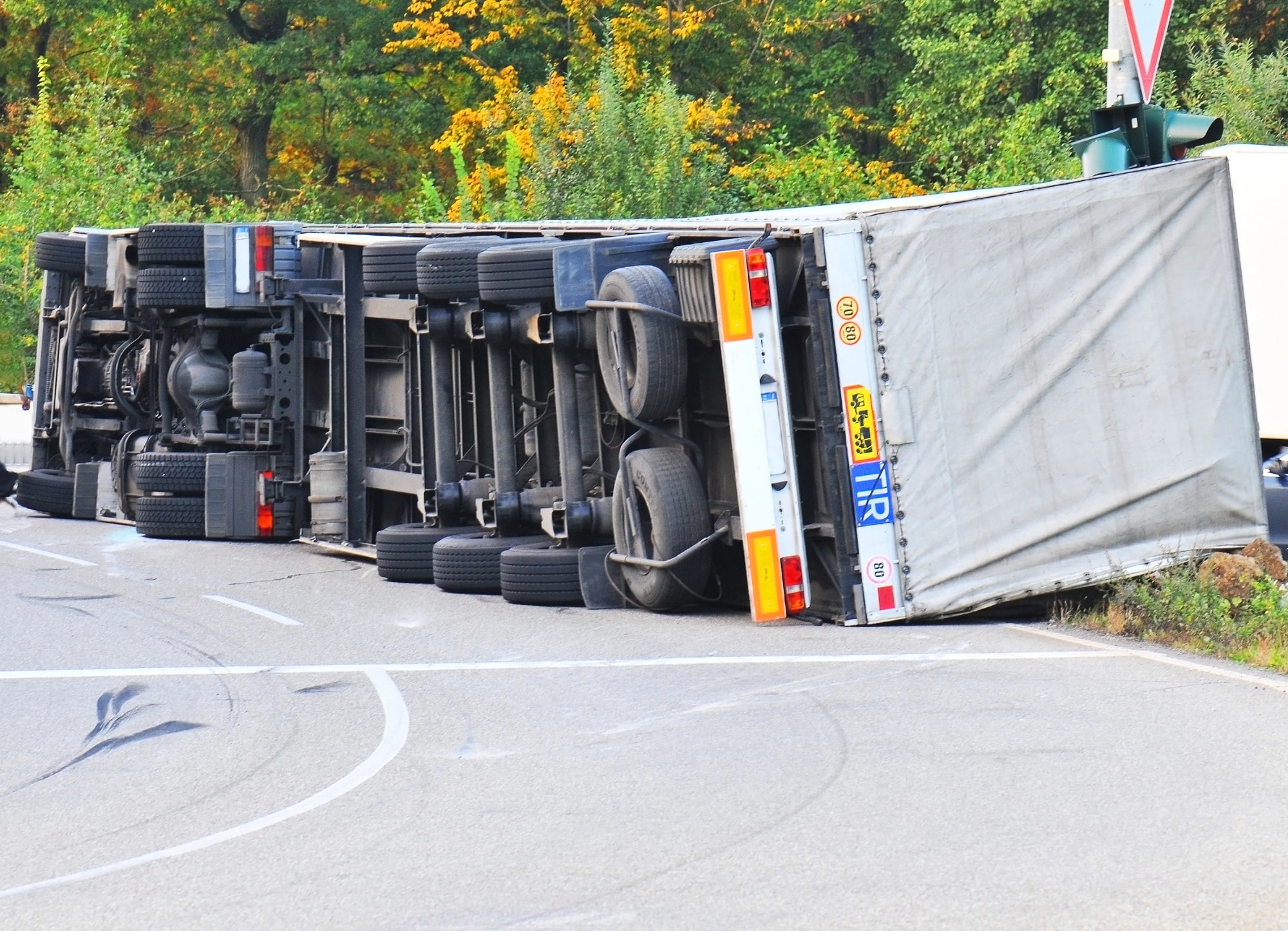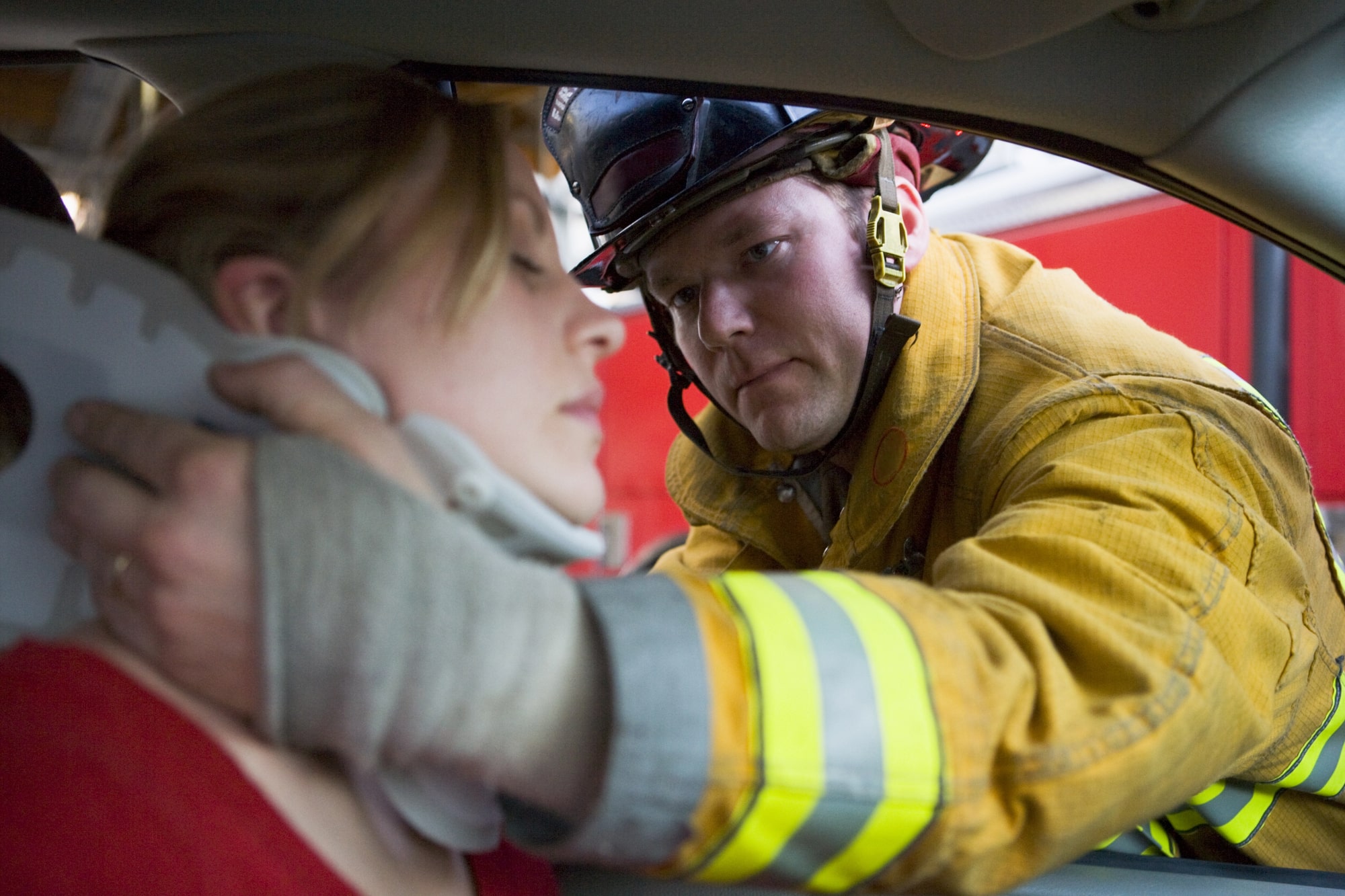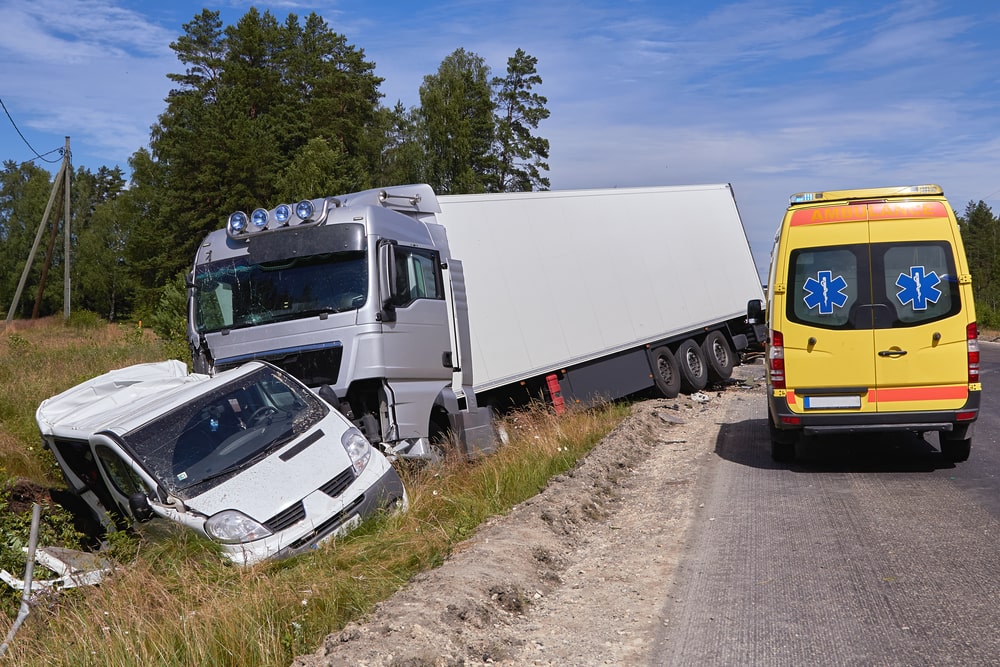



When a delivery vehicle causes a serious accident in Minneapolis, the investigation typically starts with the driver. What were they doing in the seconds before the crash? Were they speeding? Distracted? Fatigued? Those are legitimate questions. But in many commercial delivery accidents, the answers to those questions don't fully explain what happened. A vehicle that handles unpredictably, shifts unexpectedly through a turn, or becomes difficult to control at highway speeds may have left the distribution center that way, already compromised by how it was loaded before the driver ever took the wheel.
Improper cargo loading is a genuine and frequently overlooked source of liability in commercial delivery vehicle accidents, and it often implicates parties beyond the driver entirely.
How Cargo Loading Affects Commercial Vehicle Handling
Physics governs how a loaded commercial vehicle behaves on the road. Weight distribution, center of gravity, and cargo restraint all affect how a delivery vehicle responds to steering inputs, braking, and unexpected road conditions. When cargo is properly loaded, weight is distributed evenly, the center of gravity is low and stable, and secured loads don't shift during transit. When loading is done carelessly or in violation of applicable standards, those characteristics deteriorate in ways that create real danger.
Common loading failures that affect delivery vehicle safety include:
- Overloading that exceeds the vehicle's gross vehicle weight rating, extending stopping distances and stressing braking systems
- Top-heavy loading that raises the center of gravity and increases rollover risk, particularly on curves and during evasive maneuvers
- Side-loading imbalances that create handling asymmetries the driver may not notice until a sudden steering input is required
- Unsecured or improperly restrained cargo that shifts during transit, suddenly altering weight distribution mid-drive
- Stacking incompatible items that can collapse and shift during normal driving movements
Each of these conditions creates a vehicle that behaves differently than the driver expects and differently than it would if properly loaded. When a loading failure contributes to a crash, the parties responsible for how the vehicle was loaded share liability for the consequences.
What Federal Cargo Securement Standards Require
The Federal Motor Carrier Safety Administration's cargo securement regulations under 49 C.F.R. Part 393 apply to commercial motor vehicles operating in interstate commerce, including commercial delivery fleets. These regulations set specific requirements for how cargo must be contained, immobilized, or secured to prevent it from shifting or falling during transport.
While smaller delivery vans may fall below some regulatory thresholds depending on their gross vehicle weight rating, large commercial delivery operators running vehicles that meet the definition of commercial motor vehicles under federal law are subject to these requirements. Violations of cargo securement standards create the same negligence per se arguments that apply to other FMCSA violations: when the regulation was designed to prevent the type of harm that occurred, a violation of that regulation can establish negligence without separate proof that the conduct was unreasonable.
A Minneapolis delivery van accident lawyer reviews the applicable regulatory framework for the specific vehicle involved and identifies which loading standards were violated before building the liability argument against the responsible parties.
Who Bears Responsibility for How a Delivery Vehicle Is Loaded
In large commercial delivery operations, the driver often has limited control over and limited information about how their vehicle was loaded at a distribution center. Loading is typically performed by warehouse staff under the supervision of logistics managers, with the driver responsible only for confirming that they received the assigned load and that the doors were properly closed for transport.
When improper loading at a distribution center created a handling hazard that contributed to a crash, the potential defendants include:
- The company that operates the distribution facility and directs loading operations
- The workers who actually loaded the vehicle
- The logistics managers who supervise loading procedures
- The delivery company itself, through its vicarious liability for employees who performed the loading
- Any third-party logistics contractor who managed the loading operation under contract
This is why commercial delivery accident investigations need to extend beyond the driver and the vehicle. Understanding what happened at the loading dock, what procedures were followed or skipped, and what the load looked like when the vehicle departed requires obtaining distribution center records, loading manifests, surveillance footage from the facility, and statements from warehouse personnel.
Johnston | Martineau PLLP brings over 40 years of collective experience to commercial truck and delivery vehicle accident cases throughout Minneapolis and Minnesota, with a detailed understanding of how the trucking and commercial delivery industries operate and where liability typically lies when serious accidents occur.
If you were seriously injured when a commercial delivery vehicle lost control or handled unpredictably in a Minneapolis area crash, reach out to a Minneapolis delivery van accident lawyer to discuss what investigation the case requires and whether improper loading at a distribution center contributed to what happened.