


A fully loaded concrete mixer is one of the heaviest vehicles on any city street. When a truck that size loses control, the damage rarely ends with a single impact. A recent crash in Duluth showed how quickly one rollover can become a chain of wrecked vehicles.
What Happened Outside the Damiano Center
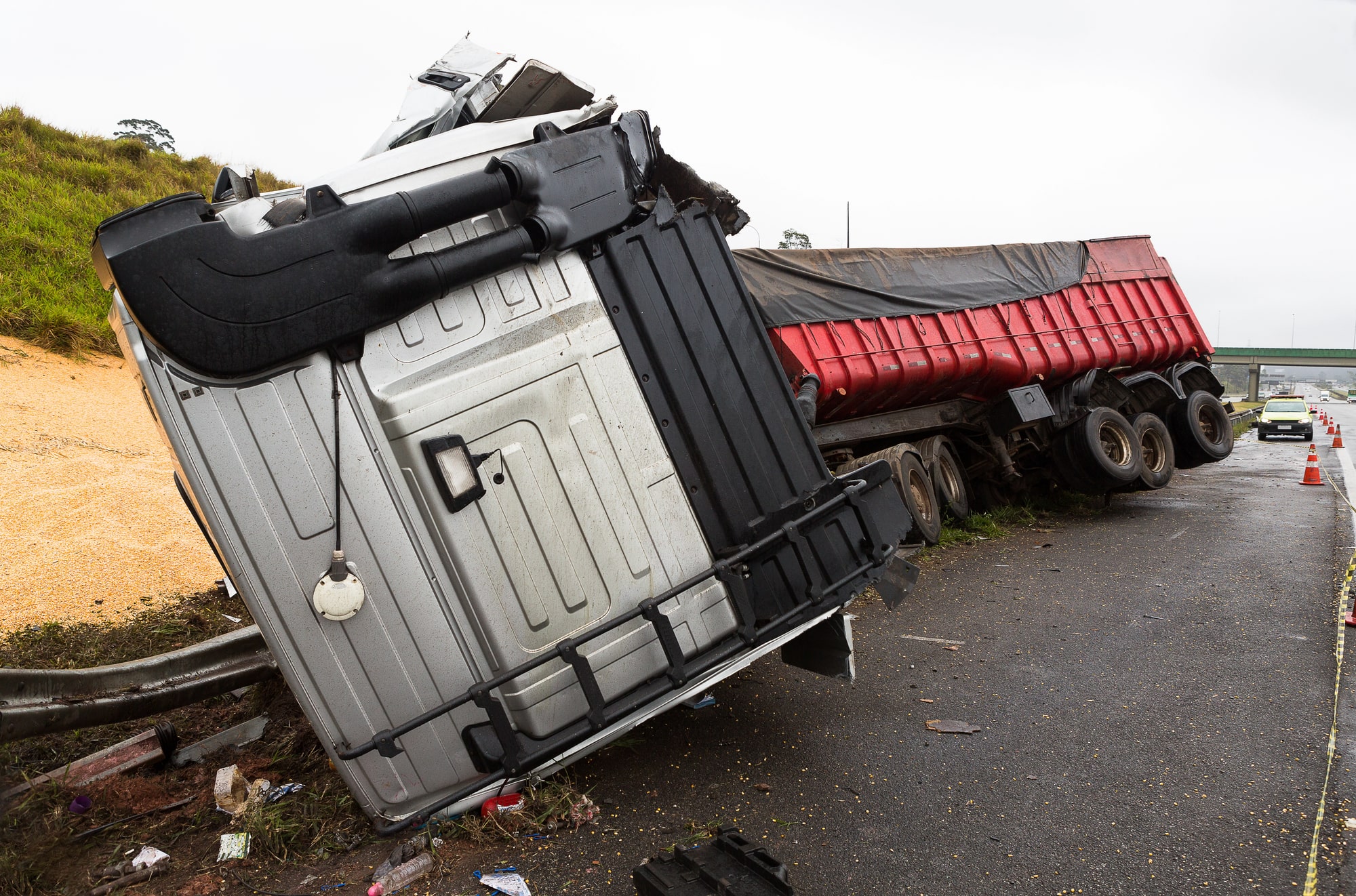
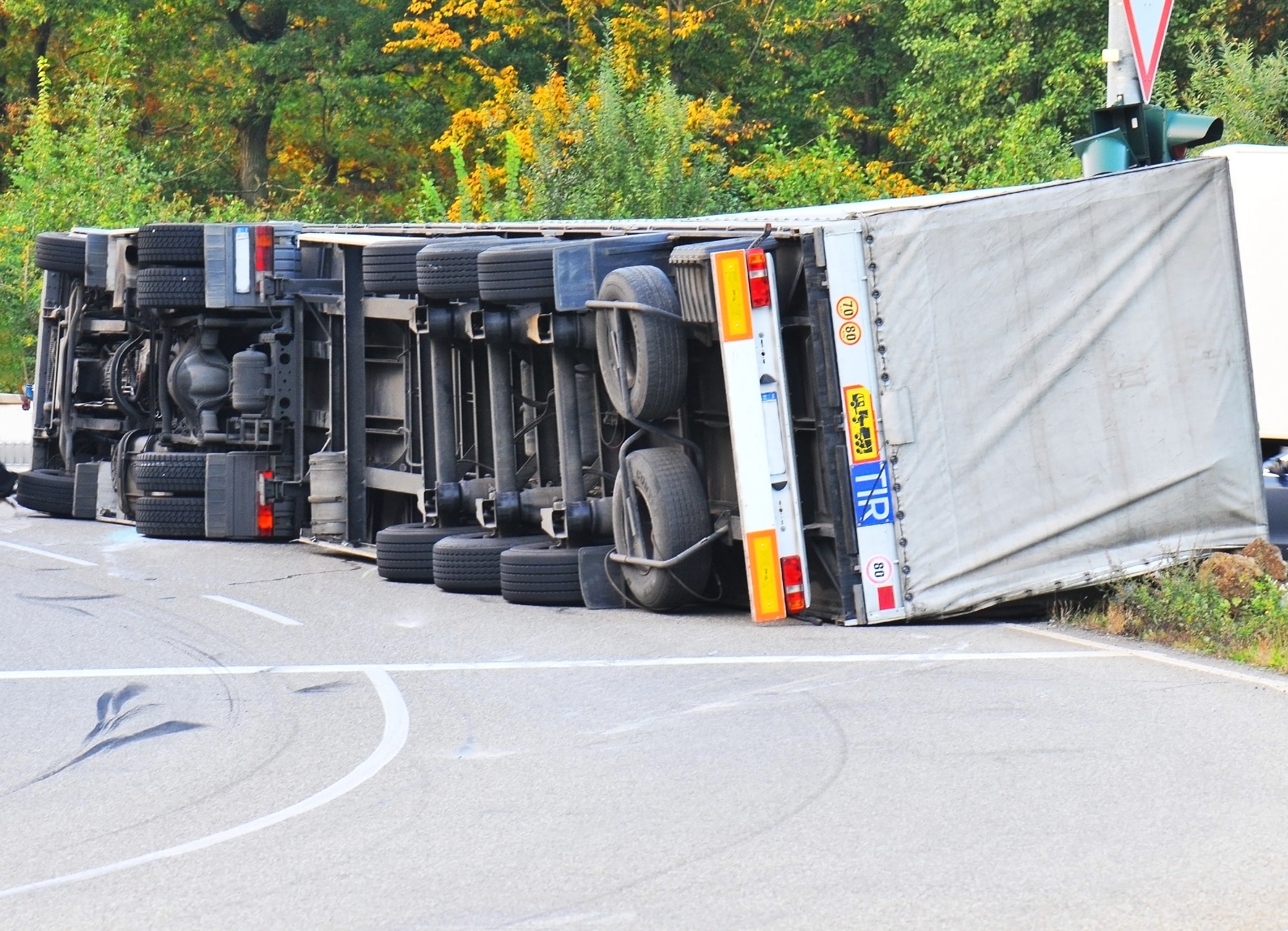
According to Duluth Police, a concrete mixer truck was traveling down 2nd Avenue West, the one-way exit to downtown from Mesaba Avenue. The truck could not stop at the 4th Street intersection. The driver tried to turn. The truck rolled onto its side and struck parked vehicles, setting off a ripple effect that involved several other cars parked along the street. Wet concrete spilled across the sidewalk.
The driver was the only person injured, and those injuries were reported as minor.
It could have been much worse. The street was lined with parked cars. Had people been standing nearby, the outcome might have looked very different.
Why Heavy Trucks Cause Chain-Reaction Crashes
A concrete mixer carries a shifting, top-heavy load. That design raises the center of gravity and makes the vehicle prone to rolling during sharp turns or sudden stops. Once that momentum takes hold, a driver has little ability to correct the course.
Rollovers are not unusual among large commercial vehicles.
According to federal truck crash data, an overturn was the first harmful event in 4 percent of fatal crashes involving large trucks and 2 percent of nonfatal ones.
Several factors raise the risk of a wreck like this:
- A load that shifts and destabilizes the truck during a turn
- Stopping distances far longer than those of passenger cars
- Reduced visibility around the large drum and body
- Brake or steering failures
- Driver fatigue or inadequate training
When One Crash Becomes Many
The ripple effect seen in Duluth is common with heavy vehicles. A loaded truck does not stop on contact. It keeps moving, transferring force into every vehicle in its path. A low-speed loss of control can still total several cars.
Who May Be Responsible
Liability in a concrete truck accident is often more layered than a standard car wreck. More than one party can share fault. Depending on the facts, responsibility may fall on:
- The truck driver
- The trucking or construction company
- The crew that loaded the mixer
- A maintenance contractor
This accident is a useful reminder that these vehicles operate throughout the region, including across the Wisconsin border on similar urban streets and job sites.
Protecting Your Rights After a Truck Crash
If you are hurt in a truck accident, the steps you take early can shape the strength of your claim. Evidence tends to disappear fast. Trucks get repaired or scrapped. Electronic logs are overwritten. Witnesses move on.
A Wisconsin concrete truck accident lawyer can move quickly to request driver logs, maintenance histories, and loading records before that information is lost.
There are also practical steps you can take right away:
- Get medical care, even for injuries that seem minor
- Photograph the scene, the vehicles, and any spilled cargo
- Collect contact details from witnesses
- Avoid giving recorded statements to an insurer before you have advice
Why Legal Guidance Matters
Insurance companies for trucking and construction firms often act fast to limit what they pay. They may reach out within days, sometimes before you understand the full extent of your injuries. Having someone review the offer first can protect you from settling for less than your claim is worth.
The team at Johnston | Martineau PLLP handles these cases with a clear focus on the people affected, not just the paperwork.
If a truck crash has disrupted your life, consider speaking with a Wisconsin concrete truck accident lawyer who understands how these claims work before you make decisions about your recovery or your rights.