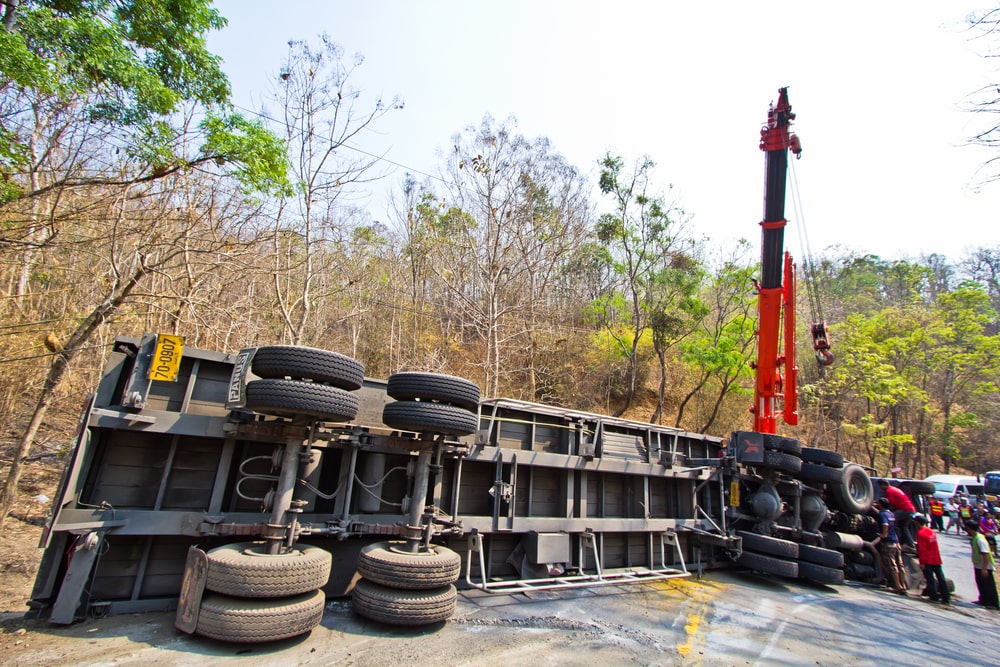

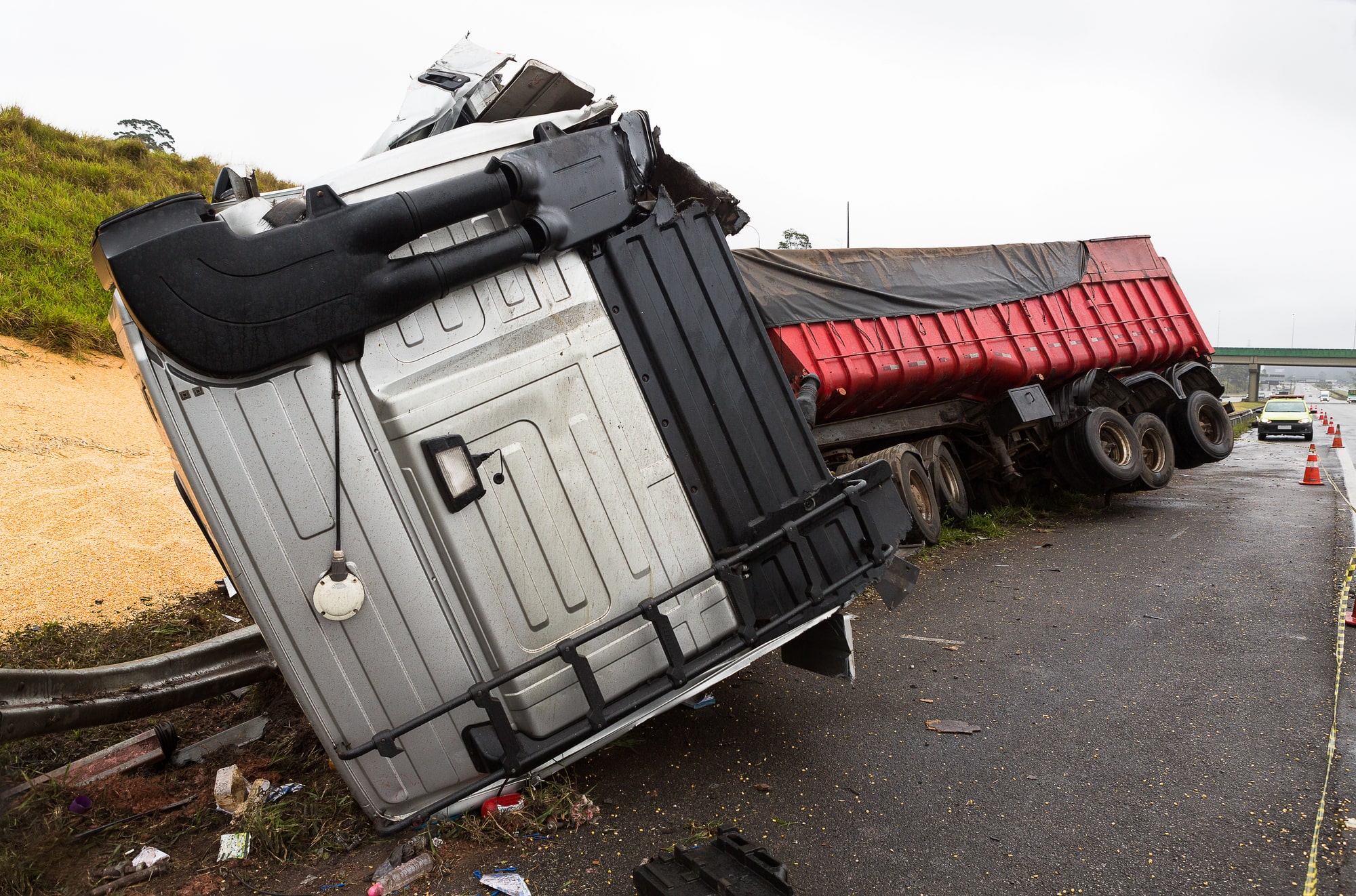
A morning commute on southbound I-35W in Minneapolis was heavily disrupted after a semi-truck overturned beneath the Johnson Street overpass, slowing traffic for hours and sending the driver to the hospital. According to early reports, the Minnesota State Patrol responded to the crash around 6:15 a.m., and the vehicle remained overturned for nearly two hours before it was finally moved. Because no other vehicles were involved, investigators are working to determine how the rollover began and what factors may have contributed. As coverage of the incident continues, many commuters are already considering how federal safety rules affect situations like this—and why consulting our Minneapolis, MN semi truck accident lawyer can help injured drivers understand their rights following similar events.
Traffic management cameras revealed that the overturned semi had blocked multiple lanes, forcing vehicles onto the shoulder and causing significant congestion. Morning drivers experienced heavy delays as crews worked to contain the scene and evaluate the condition of the truck’s driver, who fortunately sustained non-life-threatening injuries. While a single-vehicle crash may appear straightforward, incidents involving large commercial trucks often prompt questions about compliance with federal requirements, equipment inspections, and driver rest rules. These questions will likely play a role as the ongoing investigation continues.
Commercial truck collisions draw heightened attention because of the severe risks and broad regulatory framework governing these vehicles. Even when no other motorists are directly hurt, the ripple effects—from lane closures to hazardous cargo concerns—underscore how essential proper oversight is. Because of this, events like the I-35W crash highlight why Minnesota residents frequently seek guidance from professionals familiar with federal trucking standards, including those serving as our truck accident lawyers.
How Federal Rules Impact Minnesota Truck Accident Claims
As we shift to broader legal considerations, it’s important to understand how federal rules shape Minnesota truck accident claims. The Federal Motor Carrier Safety Administration (FMCSA) establishes requirements for rest breaks, cargo securement, maintenance protocols, and hours-of-service limits. These rules are designed to prevent collisions stemming from fatigue, mechanical failures, or improper loading. When an accident leads to injuries—whether minor or severe—violations of these standards can significantly influence liability. This is where the support of our Minneapolis semi truck accident attorneys can help. Our legal professionals often investigate electronic logging device data, maintenance records, and inspection reports to determine whether regulatory shortcomings contributed to a crash.
In addition to FMCSA guidelines, Minnesota also enforces state-level standards that interact with federal rules. Together, these frameworks set expectations for the safe operation of freight vehicles. Our freight truck lawyers frequently review these regulations when helping clients understand potential claims. When someone is injured in a rollover or collision, it may not be immediately clear what the root cause was—making a thorough investigation essential. Our team has over 40 years of experience handling these types of cases. We’ve worked with clients throughout Minnesota, Wisconsin, Iowa, and nationally. We know what to look for and how to handle the claims process involved in trucking accidents.
At Johnston | Martineau PLLP, we help individuals injured in truck crashes assess how regulatory requirements apply to their situation. As trusted Minneapolis semi truck accident lawyers, our team understands how to evaluate commercial driver conduct, company responsibilities, and the role of federal oversight in determining fault. If you or a loved one has been hurt in a truck-related incident, we encourage you to reach out. Contact our semi-truck lawyers today to speak with our legal team and learn how we can help. Your recovery deserves strong support—call now to get started.