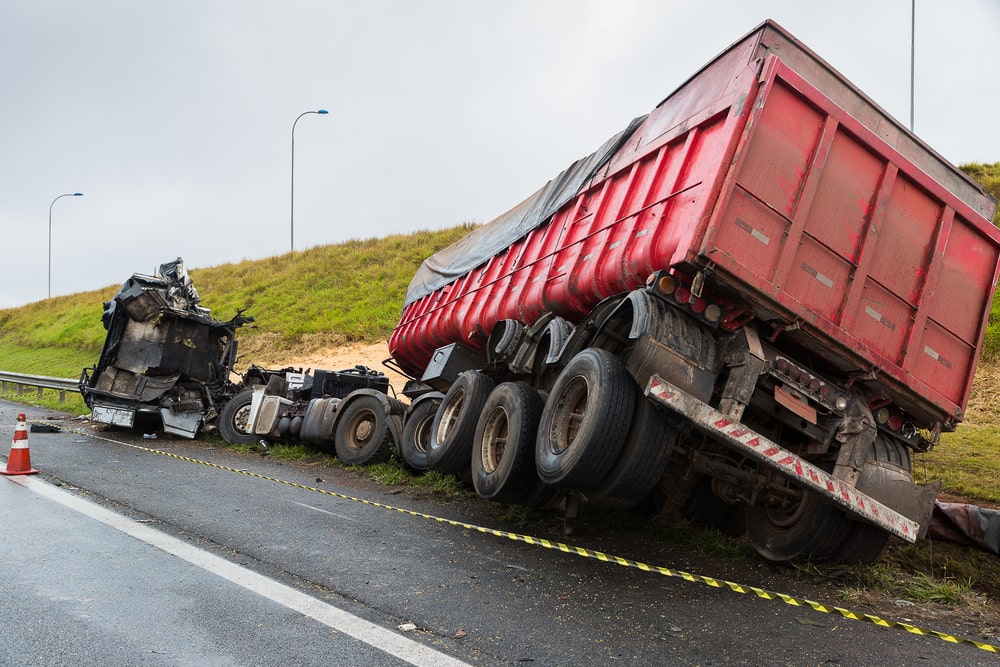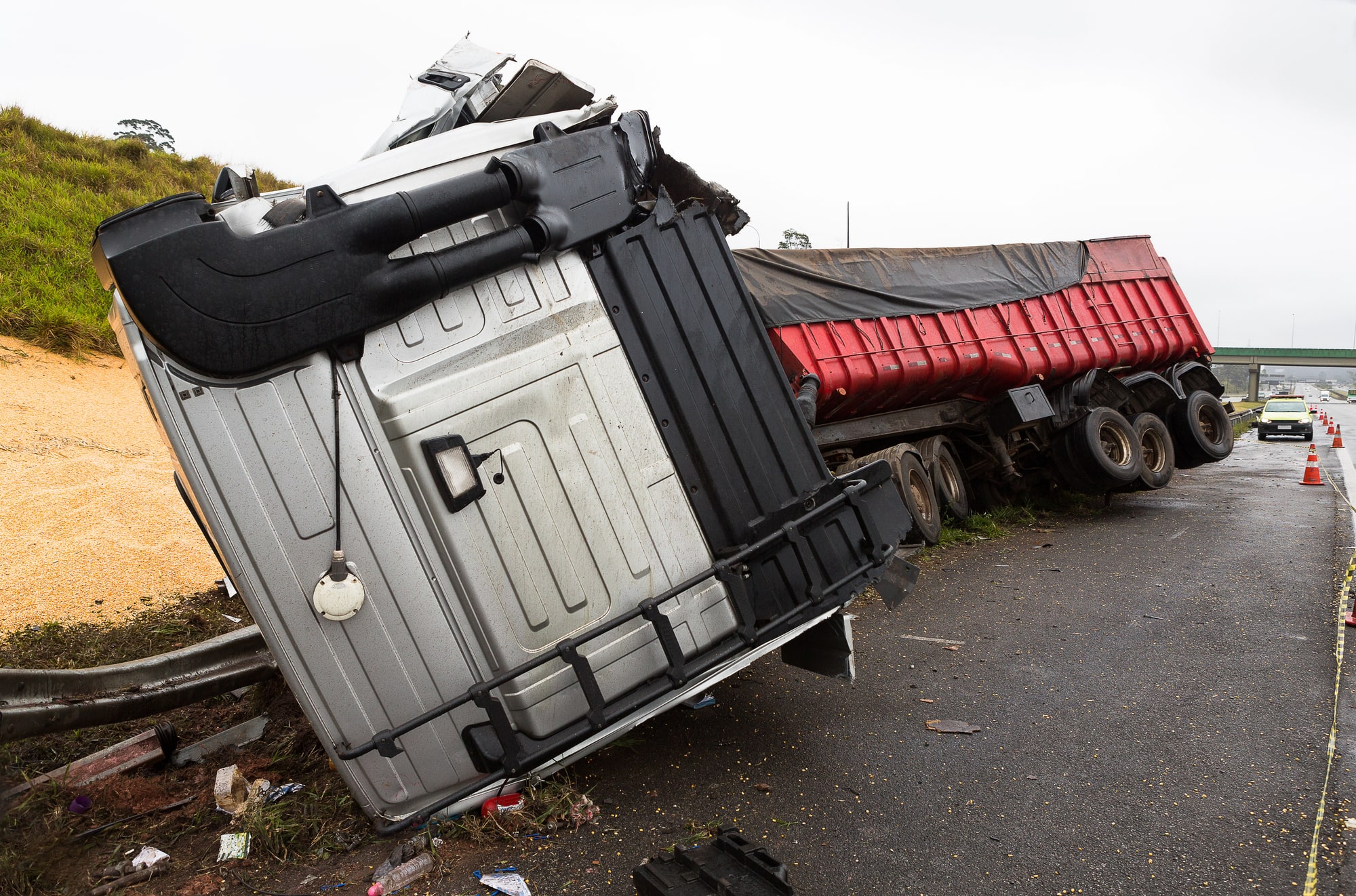

A truck driver was hospitalized this week after his semi collided with a parked van along Interstate 90 in Winona County. The crash occurred near the Rushford exit Wednesday evening, according to a Minnesota State Patrol report. The westbound semi struck the van, which was parked on the shoulder of the highway. Fortunately, the van’s occupants escaped without injury, while the truck driver was transported to a local hospital with non-life-threatening injuries. Incidents like this highlight why federal regulators are focusing on safety technologies such as automatic emergency braking (AEB). For anyone impacted by collisions involving commercial trucks, speaking with our Minnesota 18-wheeler accident lawyer can provide critical insight into their rights.
The Minnesota State Patrol confirmed that alcohol was not a factor and that all involved were properly restrained. Still, the aftermath underscores the dangers of large trucks colliding with stationary vehicles, particularly at highway speeds. Emergency response teams from Lewiston Fire, Lewiston Police, and the Winona County Sheriff’s Office all assisted at the scene. While this crash did not result in fatalities, it demonstrates how quickly a routine drive can become life-threatening when heavy trucks are involved.
Beginning in January 2025, the Federal Motor Carrier Safety Administration (FMCSA) will mandate AEB systems in new commercial trucks weighing over 10,000 pounds. These systems are designed to reduce the risk of crashes like the one on I-90 by automatically applying brakes when a collision risk is detected. For truck drivers and carriers across Minnesota, this new requirement could be life-saving, reducing both rear-end collisions and the severity of injuries when accidents occur.
The FMCSA’s AEB rule reflects a growing recognition that advanced safety technology is essential for preventing roadway tragedies. Minnesota highways see countless semis, tractor-trailers, and freight trucks every day, and even one moment of inattention or miscalculation can cause catastrophic harm. The AEB systems are not designed to replace drivers but to provide an additional layer of protection when human error or distraction occurs.
For victims of trucking crashes, these regulatory changes matter because they highlight evolving industry standards of care. When a crash occurs, questions often arise about whether a trucking company adopted reasonable safety practices. If a vehicle lacked appropriate safety technology, or if a company failed to maintain its fleet, those details could be significant in a legal claim. Working with experienced attorneys such as our Minnesota 18-wheeler accident lawyers can help make sure that victims have the resources to fully investigate these issues.
For Victims Of 18-Wheeler Accidents, We’re Here To Help
At Johnston | Martineau PLLP, we regularly represent individuals and families harmed in collisions involving commercial trucks. Our team of truck accident lawyers understands federal regulations, insurance company defenses, and liability disputes in trucking cases. Whether a crash stems from driver negligence, equipment failure, or a company’s failure to adopt new safety measures, victims deserve accountability and fair compensation.
With over 40 years of dedicated experience helping those involved in similar accidents, our team of semi-truck lawyers is ready to help. We offer free consultations, and our trucking accident lawyers are available 24/7 to answer your calls, so don’t hesitate to reach out. We’ll help you move forward after an accident.
As Minnesota prepares for the FMCSA’s AEB rule to take effect, both drivers and the public stand to benefit from these advancements. Still, when accidents happen, the consequences are often devastating. If you or a loved one has been injured in a trucking collision, reach out to Johnston | Martineau PLLP today. Our Minnesota 18-wheeler accident attorneys are here to evaluate your case, explain your legal options, and fight for the recovery you deserve. Contact us now to schedule a consultation and let us stand by your side.