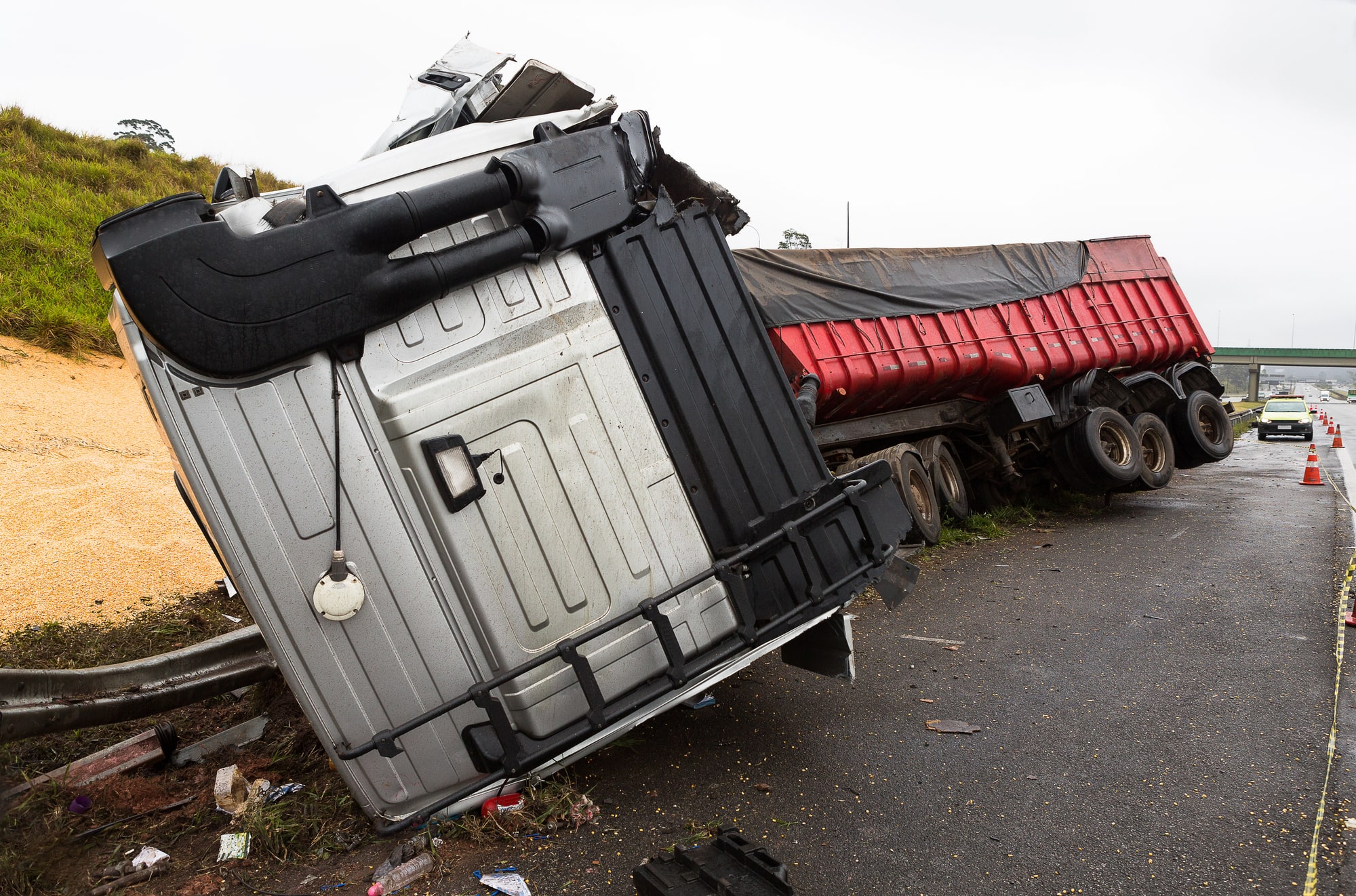


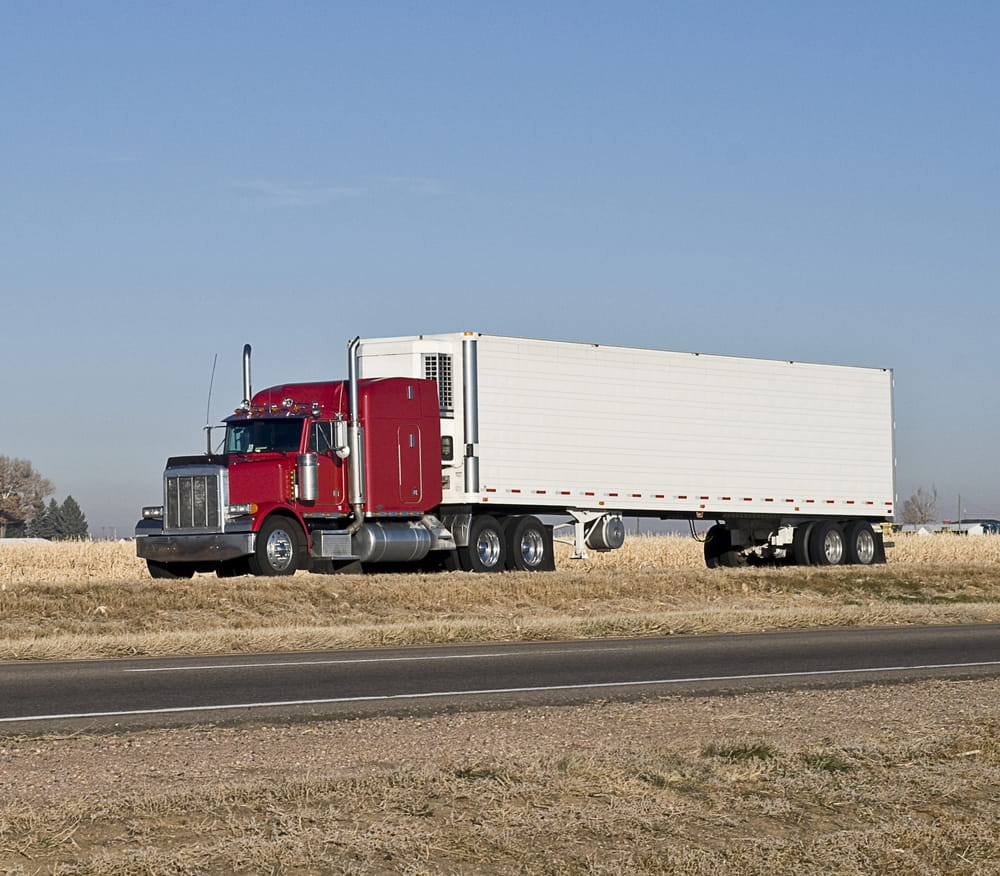
U.S. Highway 10 is one of Minnesota's major freight corridors, running from the Twin Cities through Anoka, Elk River, St. Cloud, and across central Minnesota toward the North Dakota border. The big rigs that use this corridor daily carry agricultural products, industrial equipment, consumer goods, and hazardous materials. They travel through rural two-lane sections, pass through small communities, and share the road with commuters and local traffic. When one of those trucks has a maintenance failure at highway speed, the results are catastrophic.
What too many people don't realize is that the brake failure, the tire blowout, or the steering problem that caused the crash was often foreseeable. Federal regulations require commercial carriers to maintain their equipment to specific standards. When they don't, and someone is killed or seriously injured as a result, the maintenance failure isn't just a mechanical problem. It's evidence of negligence that belongs at the center of the liability case.
What Federal Regulations Require of Commercial Truck Operators
The Federal Motor Carrier Safety Administration imposes specific maintenance obligations on commercial carriers under 49 C.F.R. Part 396. These regulations require carriers to:
- Systematically inspect, repair, and maintain all commercial motor vehicles under their control
- Keep detailed records of all inspections, repairs, and maintenance performed on each vehicle
- Require drivers to submit Driver Vehicle Inspection Reports (DVIRs) after each trip, documenting any defects or deficiencies affecting safety
- Ensure that vehicles with safety-affecting defects are placed out of service until those defects are repaired
- Conduct periodic inspections at intervals not to exceed 12 months
These obligations are not suggestions. When a carrier fails to conduct required inspections, ignores defects documented in driver reports, or allows a vehicle with known safety issues to continue operating on Highway 10 to avoid delivery delays, they have violated federal law in ways that directly created the risk of the crash that followed.
What Maintenance Records Reveal About Commercial Truck Liability
Maintenance records are among the most powerful evidence in a commercial truck accident case because they often contain the carrier's own documentation of problems they knew about and failed to fix.
Driver Vehicle Inspection Reports are particularly valuable. Federal regulations require drivers to document any vehicle condition affecting safe operation before and after each trip. When a DVIR shows that a driver reported brake issues, tire concerns, or steering problems days or weeks before a crash, and those reports were signed off without repair, the carrier has created a written record of its own negligence.
Periodic inspection records show whether the required annual inspections were completed and what those inspections found. Repair orders document what work was actually performed on the vehicle and when. Parts purchase records establish whether replacement components were obtained for repairs that were supposedly completed. When these records are missing, incomplete, or internally inconsistent, that itself becomes evidence of a carrier that wasn't maintaining its fleet to required standards.
A Minnesota U.S. Highway 10 truck accident lawyer sends immediate preservation demands after a serious crash to prevent carriers from claiming routine document destruction as a reason for missing records. Once litigation hold obligations attach, destroying or losing maintenance records that a carrier knew were relevant to an accident can constitute spoliation, with significant consequences for the carrier at trial.
How Brake and Tire Failures Create Catastrophic Outcomes on Highway 10
Brake and tire failures are the two maintenance defects most commonly implicated in serious commercial truck accidents. Both are detectable through required inspections. Both are preventable through routine maintenance. And both produce predictably catastrophic outcomes when they occur at highway speeds on Minnesota's rural corridors.
Brake failures on commercial trucks can result from worn brake linings, air system leaks, out-of-adjustment brake components, or overheated brake systems from sustained heavy use on downhill grades. Federal regulations specify minimum brake performance standards and adjustment criteria for commercial vehicles. When a truck operating on Highway 10 fails to meet those standards, every mile it travels creates potential liability for the carrier.
Tire blowouts at highway speed can cause a driver to lose control entirely. Carriers are required to inspect tires for tread depth, sidewall integrity, and proper inflation before each trip. Tires showing visible wear indicators or damage must be replaced before the vehicle operates. When a blowout results from a tire that should have been flagged in a pre-trip inspection, the maintenance failure is directly traceable to the carrier's failure to follow its own obligations.
Why Maintenance Evidence Must Be Preserved Immediately
Maintenance records for commercial vehicles are subject to routine destruction after minimum retention periods. The FMCSA requires carriers to maintain inspection and maintenance records for one year, and DVIRs for three months. After those periods, carriers can destroy records in the ordinary course of business.
When a serious crash occurs on Highway 10, the window to preserve those records before they're routinely destroyed may be short. An attorney who acts immediately by sending a spoliation letter and litigation hold demand protects that evidence before retention obligations expire.
Johnston | Martineau PLLP has over 40 years of collective experience representing serious injury victims in commercial truck accident cases throughout Minnesota, with a detailed understanding of how the trucking industry's maintenance obligations create liability when carriers put profit ahead of roadworthiness. If you were seriously injured in a commercial truck crash on Highway 10, reach out to a Minnesota U.S. Highway 10 truck accident lawyer to discuss what the maintenance records in your case might reveal and how to preserve them before that window closes.