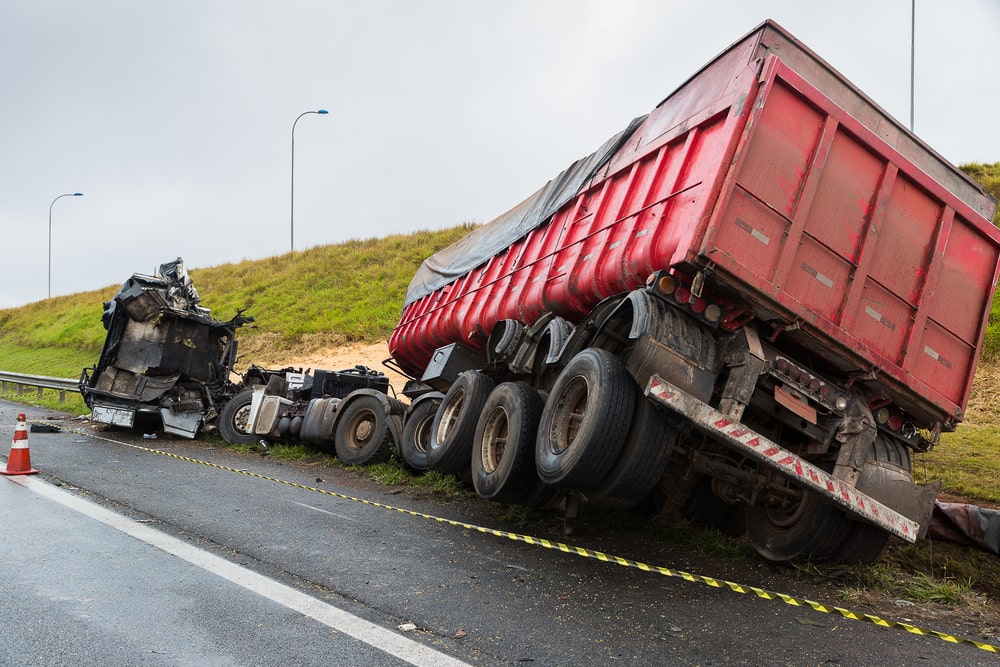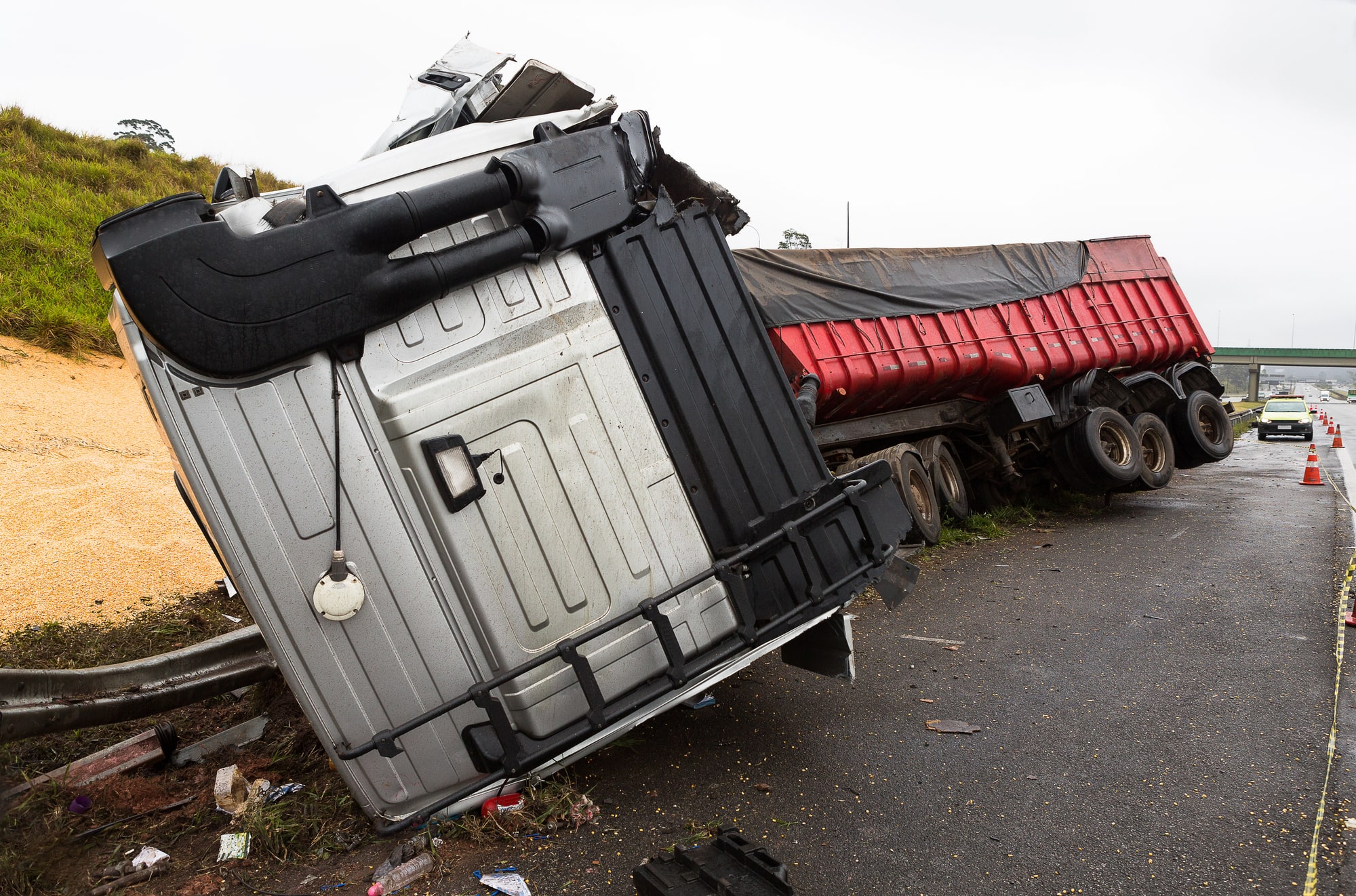



Most drivers have shared the road with a concrete mixer truck at some point without thinking much about it. They're slow, they're loud, and they take wide turns. What most people don't fully appreciate is just how dangerous these vehicles are in a collision. The physics involved when a loaded concrete mixer hits a passenger vehicle are fundamentally different from a standard car accident, and the injuries that result tend to be in a different category entirely.
Understanding why concrete trucks cause such severe accidents isn't just academic. It directly affects how these claims get built, what damages are pursued, and why legal representation in these cases matters so much.
The Weight Factor
A standard passenger vehicle weighs somewhere between 3,000 and 4,500 pounds. A fully loaded concrete mixer truck can weigh up to 66,000 pounds under federal weight limits, and in some cases more. That's not a small difference. It's a difference of roughly 15 to 20 times the mass.
When two objects collide, the heavier one transfers far more force to the lighter one. In a collision between a loaded concrete truck and a passenger vehicle, that force transfer is catastrophic. The occupants of the smaller vehicle absorb an impact that the vehicle's safety systems, crumple zones, airbags, and frame were never designed to handle at that scale.
Under Federal Motor Carrier Safety Administration regulations, commercial vehicles including concrete trucks are subject to strict weight limits precisely because of the danger excessive weight poses to other road users. When those limits are violated, the resulting accidents can be even more severe, and the liability picture becomes clearer.
Stopping Distance Is a Serious Problem
A loaded concrete truck traveling at highway speed needs significantly more distance to stop than a passenger vehicle. At 55 miles per hour, a fully loaded commercial truck can require up to 40% more stopping distance than a standard car under ideal conditions. Wet roads, worn brakes, or driver inattention make that worse.
That stopping distance gap creates real danger in everyday driving situations. A concrete truck following too closely behind a passenger vehicle doesn't have the ability to stop in time if traffic slows suddenly. A truck entering an intersection can't arrest its momentum the way a car can. And a driver who reacts a second too late to a hazard ahead faces consequences that simply don't apply the same way in a lighter vehicle.
The Rotating Drum Adds Instability
Unlike a standard flatbed or box truck, a concrete mixer carries a heavy rotating drum that shifts the vehicle's center of gravity in ways that affect handling. The drum and its contents create dynamic weight distribution, meaning the vehicle's balance changes as the drum rotates and as the load shifts during movement.
That instability affects how the truck handles curves, lane changes, and sudden steering inputs. A driver who overcorrects or takes a curve too fast in a loaded mixer is dealing with a vehicle that responds very differently from a standard truck. Rollovers are a genuine risk, and when a concrete mixer rolls onto a passenger vehicle or into oncoming traffic, the results are devastating.
Blind Spots Are Larger and More Dangerous
Concrete mixer trucks have significant blind spots on all sides, but particularly along the right side and rear. A vehicle that disappears into a truck's blind spot during a lane change or merge can be struck with the driver having had no visual awareness of it at all.
That doesn't eliminate the driver's liability. Commercial truck drivers are trained to manage blind spots through mirror checks, shoulder checks, and safe following distance practices. Failing to do so is a breach of the duty of care they owe to other road users. But it does help explain how these accidents happen and why establishing exactly what the driver could and should have seen at the time of the crash is an important part of building a Minneapolis concrete truck accident lawyer case.
Why These Injuries Are Different
The forces involved in concrete truck collisions produce injuries that don't show up as often in standard car accidents. Traumatic brain injuries, spinal cord damage, crush injuries, multiple simultaneous fractures, and internal organ damage are common outcomes. These aren't injuries people recover from quickly. Many require multiple surgeries, extended rehabilitation, and leave lasting functional limitations that affect a victim's ability to work and live independently.
The severity of these injuries directly shapes the damages available in a claim. Future medical costs, long-term lost earning capacity, and significant non-economic damages for pain, suffering, and loss of enjoyment of life all become central parts of the recovery calculation when injuries are this serious.
What This Means for Your Case
Concrete truck accident claims aren't standard personal injury cases. The injuries are more severe, the liable parties are more numerous, the insurance policies are larger, and the stakes are higher on every level. Building a claim that accurately reflects what victims have lost requires understanding both the physics of these crashes and the legal framework that governs commercial trucking liability.
Johnston | Martineau PLLP represents victims of serious commercial vehicle accidents throughout the Minneapolis area. If you or someone you love was injured in a collision involving a concrete truck, speaking with a Minneapolis concrete truck accident lawyer is the right first step toward understanding what your case involves and what you're entitled to pursue.