

Bridge Strike on I-494: When a Semi's Load Becomes a Hazard
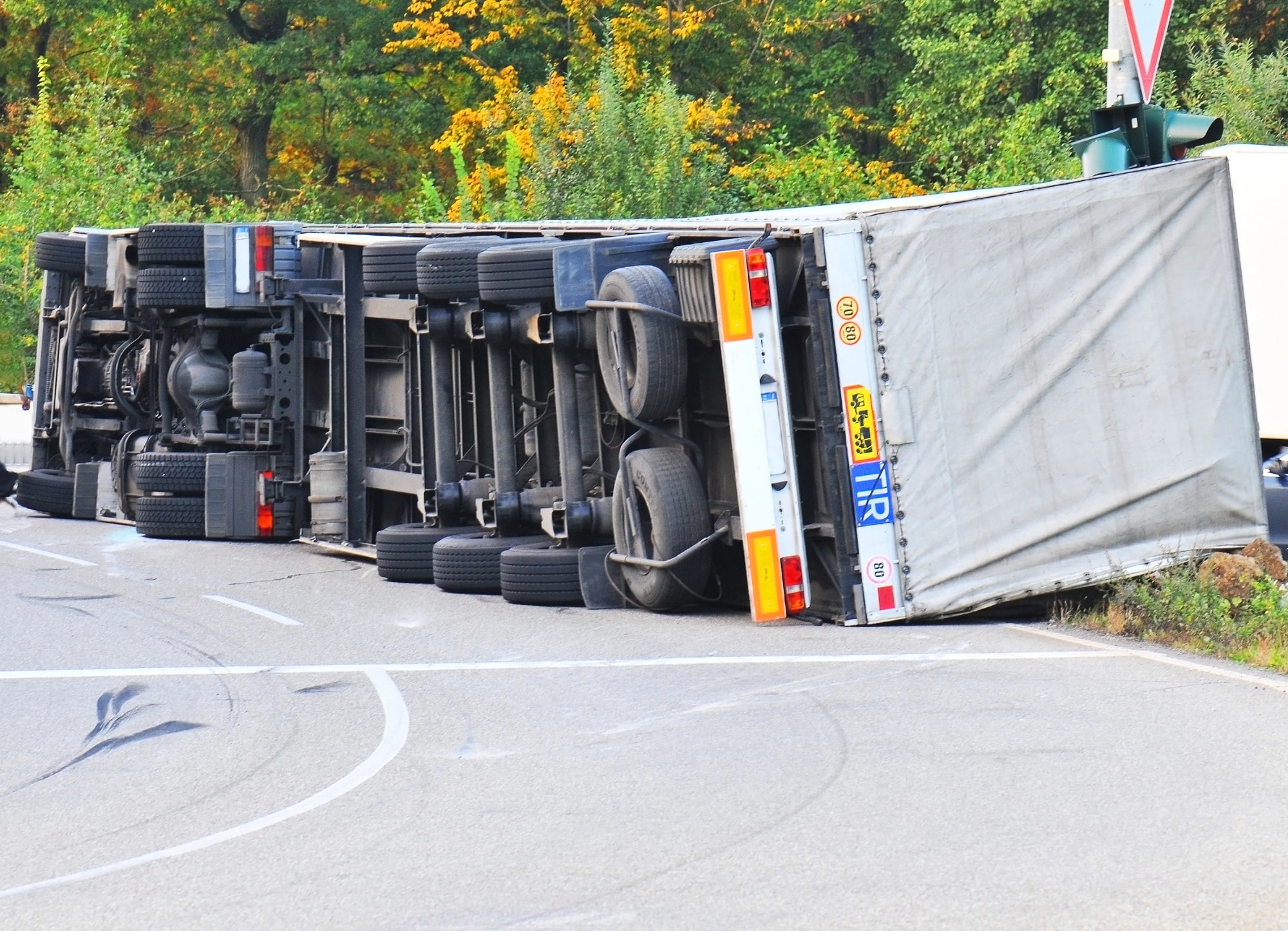
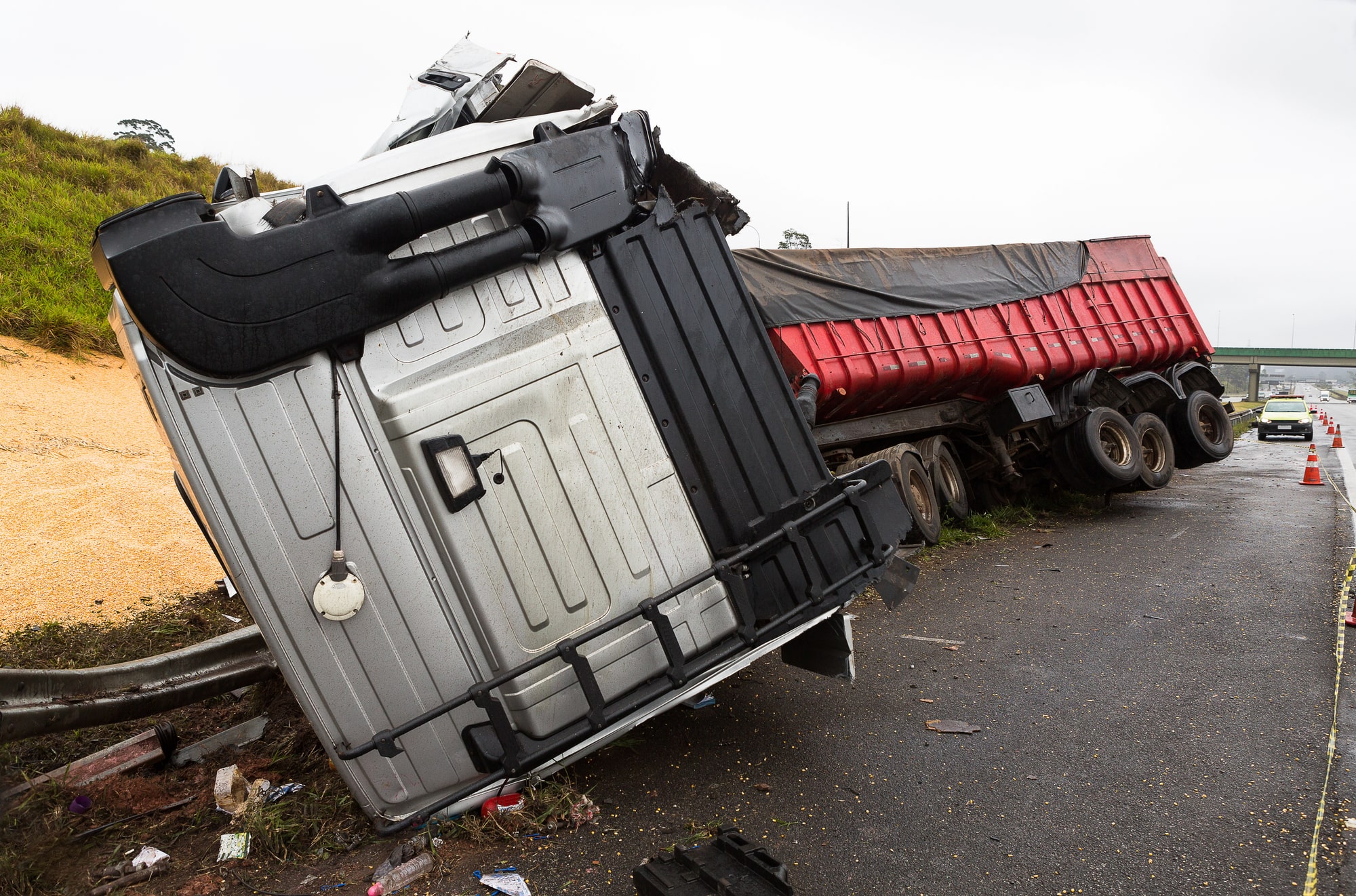
A semi-truck load that catches a bridge does not just damage infrastructure. It can turn ordinary cargo into debris, and debris into a serious injury for the driver behind the truck. That is exactly what happened on westbound I-494 in Richfield on March 24, 2026.
What Happened on I-494 Near Highway 77
According to reporting from Limitless Media News, Minnesota State Patrol troopers were dispatched around 7:21 p.m. to westbound I-494 just west of Highway 77. A semi-truck hauling metal scaffolding struck the underside of a bridge with its load. The impact dislodged portions of the scaffolding, which then fell into the roadway and struck a passenger vehicle traveling behind the semi.
The driver of the second vehicle was injured, though the injuries were reported as non-life-threatening. Neither the semi driver nor a passenger in the struck vehicle was hurt. The closure of westbound I-494 lasted nearly five hours.
Why Load and Height Violations Matter
The Minnesota State Patrol indicated the investigation will examine whether load-height restrictions played a role. That question sits at the center of many commercial trucking cases. A tractor-trailer's legal height in Minnesota is generally capped at 13 feet 6 inches, and bridges along interstate corridors are built with clearances that assume compliant loads. When a load exceeds legal height or when cargo is improperly secured, the consequences are rarely limited to the truck itself.
Federal regulations under 49 CFR Part 393 require drivers and carriers to secure cargo so it cannot leak, spill, blow, fall from, or otherwise escape the vehicle. The Federal Motor Carrier Safety Administration maintains detailed crash data on these incidents through its Large Truck and Bus Crash Facts reports, and cargo-related failures consistently appear as a contributing factor in injury and fatal crashes.
Who Can Be Held Responsible
Truck cases are rarely about one person. When a load strikes a bridge or falls into traffic, responsibility can extend well beyond the driver behind the wheel. The analysis usually includes:
- The driver, for route selection, pre-trip inspection, and reasonable care
- The motor carrier, for training, supervision, and compliance with federal regulations
- The shipper or loader, for proper securement when they loaded the cargo
- A maintenance contractor, if equipment failure contributed to the crash
- The permit issuer or route planner, if an oversize load was improperly routed
Each of these parties maintains its own records. Logs. Bills of lading. Inspection reports. Dashcam and telematics data. Without prompt action, some of that evidence can be overwritten or lost. As a Roseville, MN tractor trailer accident lawyer residents rely on, our firm routinely sends preservation letters within days of being retained.
The Hidden Injuries in "Minor" Crashes
News reports often describe injuries as "non-life-threatening," and that phrasing can be misleading. A falling piece of scaffolding traveling at highway speed can cause concussions, cervical spine trauma, fractures, and lacerations that do not fully present for hours or days. The adrenaline of a crash tends to mask pain. Symptoms of a traumatic brain injury, in particular, can be delayed.
If you were injured in a cargo-related incident, documenting your condition early matters. Medical records created near the time of the crash are the foundation of any later claim for damages.
How Johnston | Martineau PLLP Approaches These Cases
At Johnston | Martineau PLLP, we handle commercial trucking claims across the Twin Cities metro. We work with accident reconstructionists, former FMCSA investigators, and medical professionals to build a full picture of what happened and why.
If you or a family member was injured by falling debris, a cargo shift, or any incident involving a commercial truck on I-494, I-35W, or another Minnesota roadway, we welcome the opportunity to review the facts of your case and explain the options available to you.